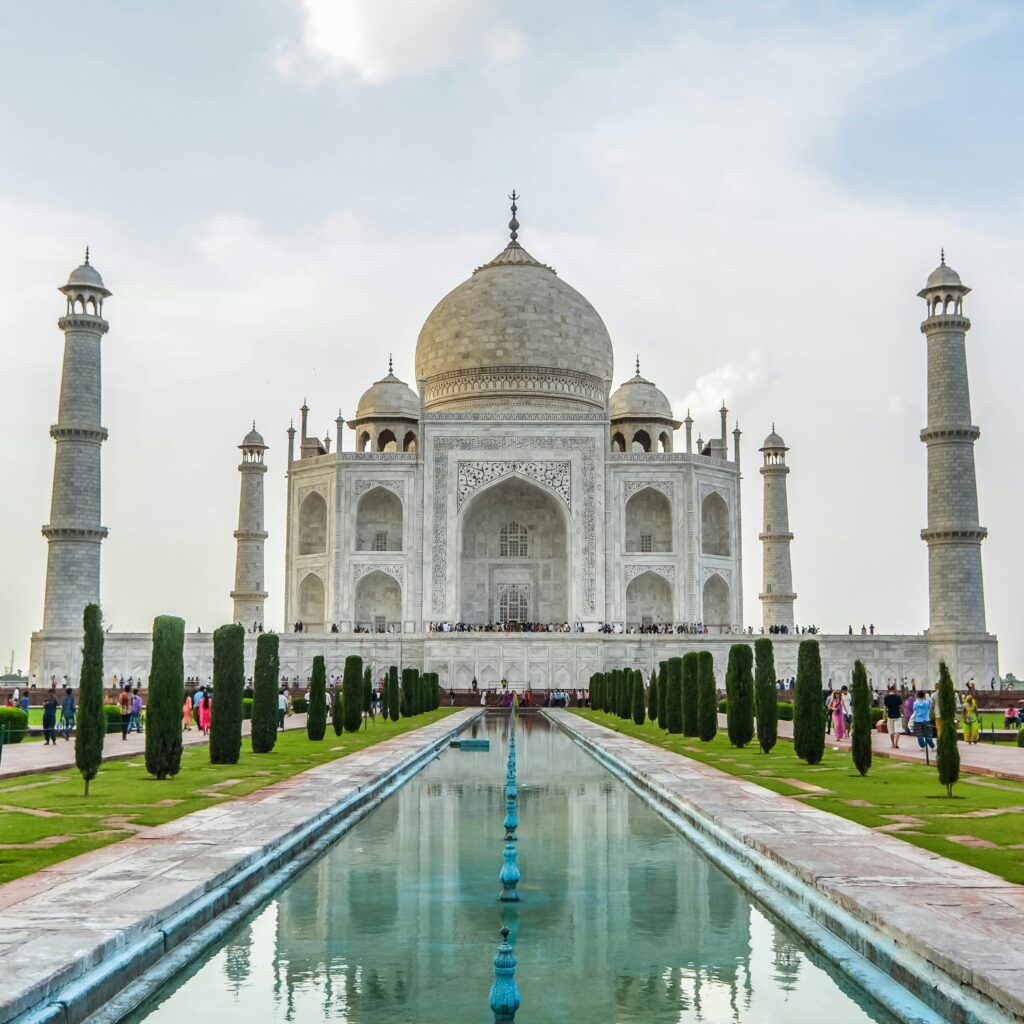
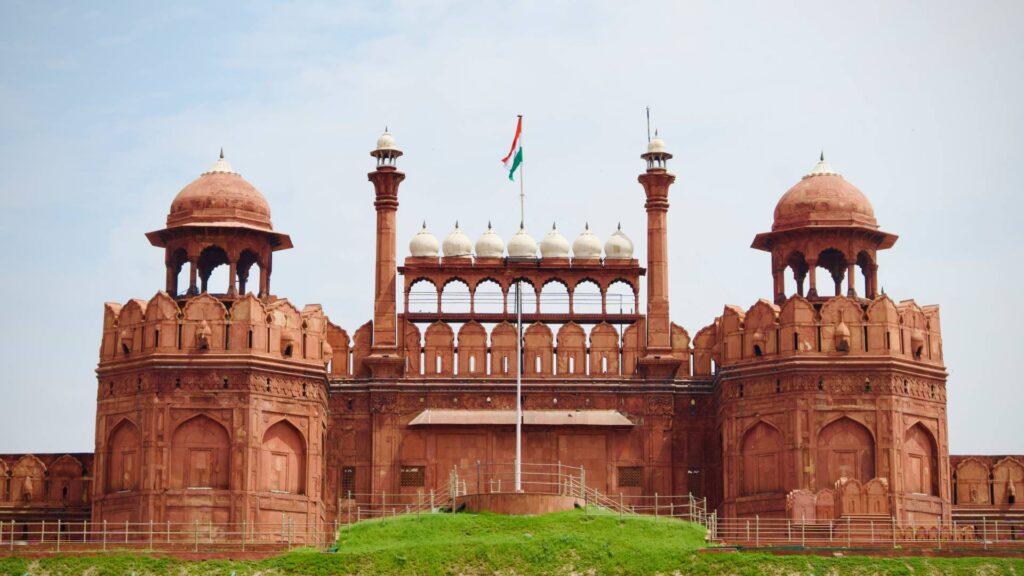
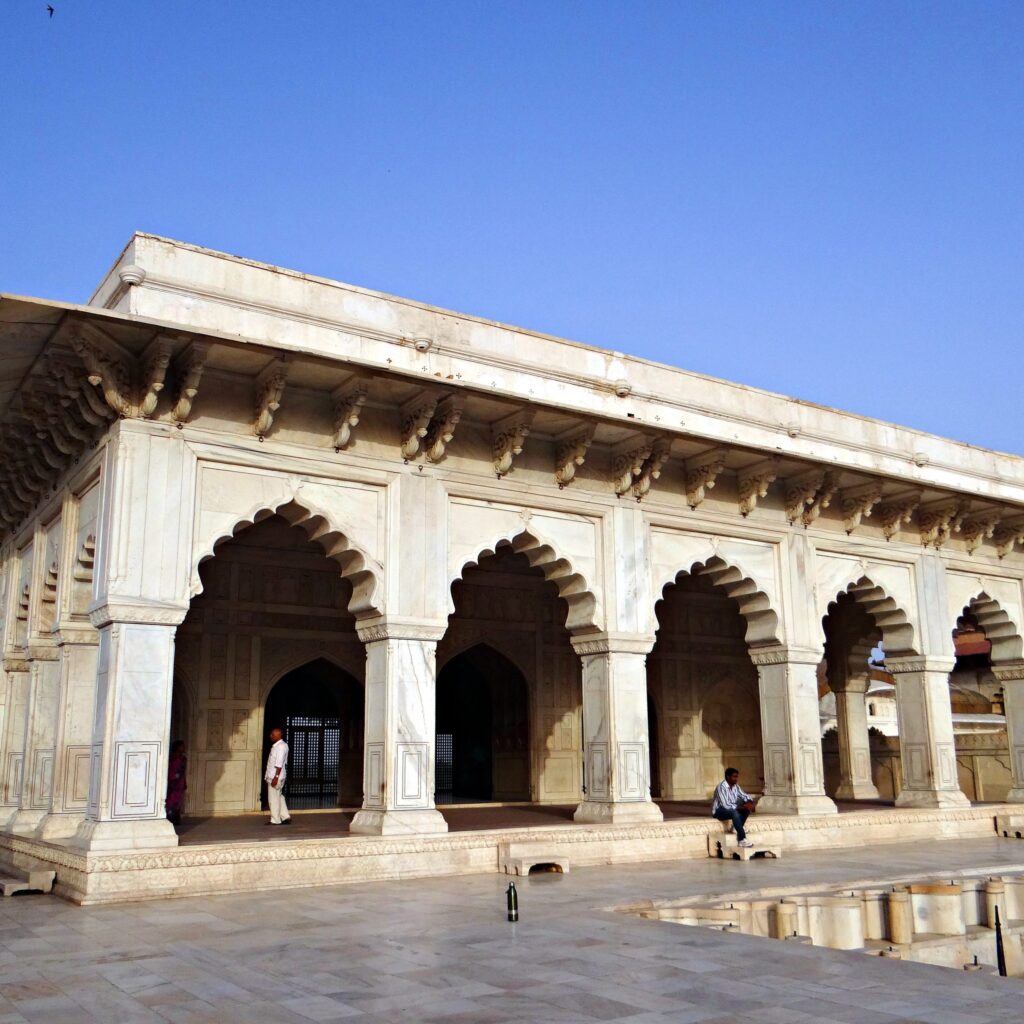
Choose Your Golden Triangle with Ranthambore Package
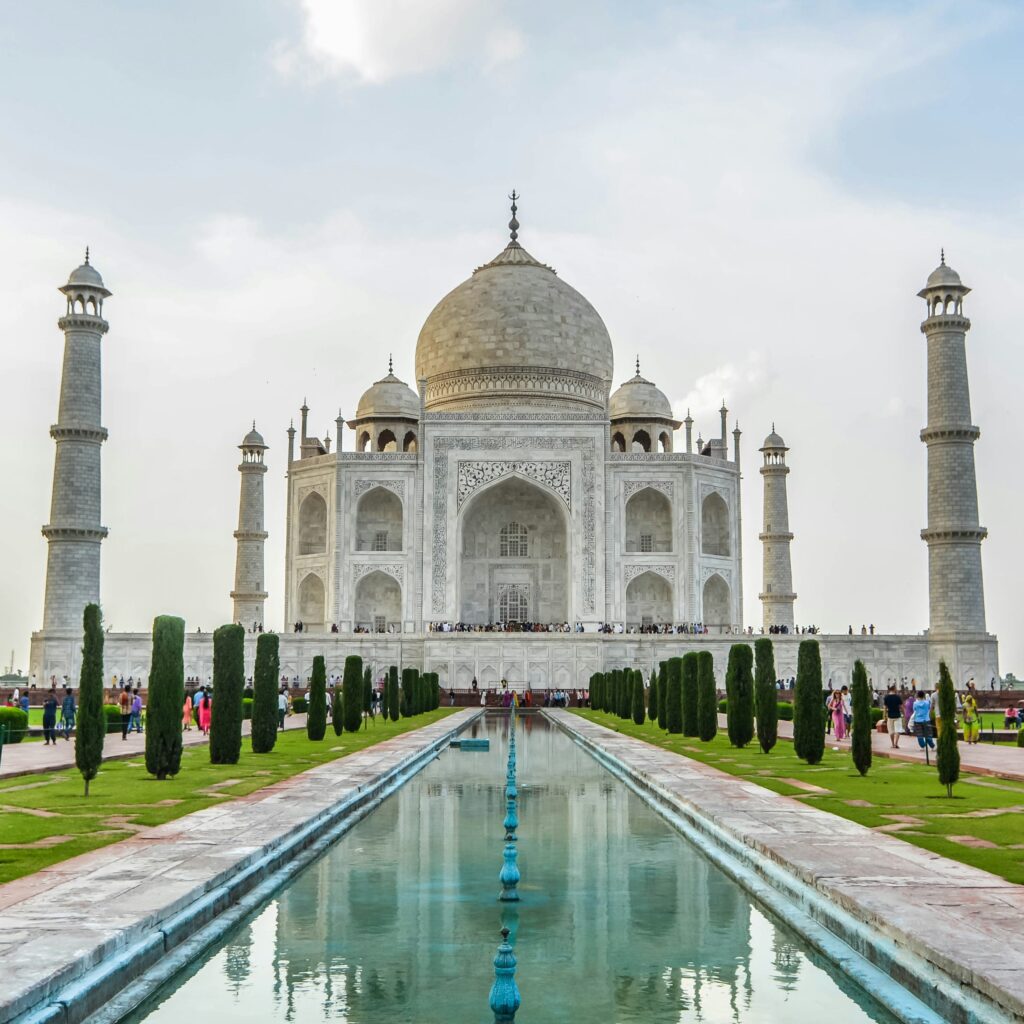
Each option below runs the same core route – Delhi, Agra, Ranthambore, Jaipur – with private transport, licensed local guides, and safaris booked directly with the forest department, never through a reseller. What changes is duration, and how much time you spend in Ranthambore. Every package links to its own day-wise itinerary and inclusions.
6 Days / 5 Nights – Golden Triangle with Ranthambore
One night in Ranthambore, one safari. Delhi (2N), Agra (1N), Ranthambore (1N), Jaipur (1N) – built for a shorter leave that still covers the full circuit.
Best for: first-time visitors who want the essentials done well without stretching the trip.
7 Days / 6 Nights – Golden Triangle with Ranthambore
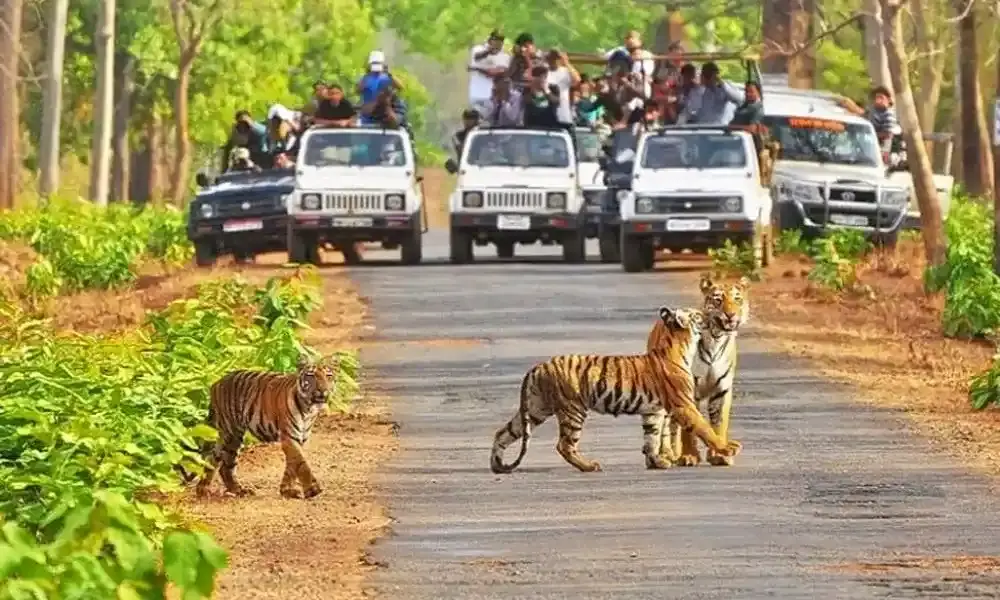
Two nights in Ranthambore and two safari drives, which meaningfully lifts your sighting odds over a single drive. The extra day also gives Jaipur more room.
Best for: travellers who want a real shot at a tiger sighting without a long trip.
8 Days / 7 Nights – Golden Triangle with Ranthambore
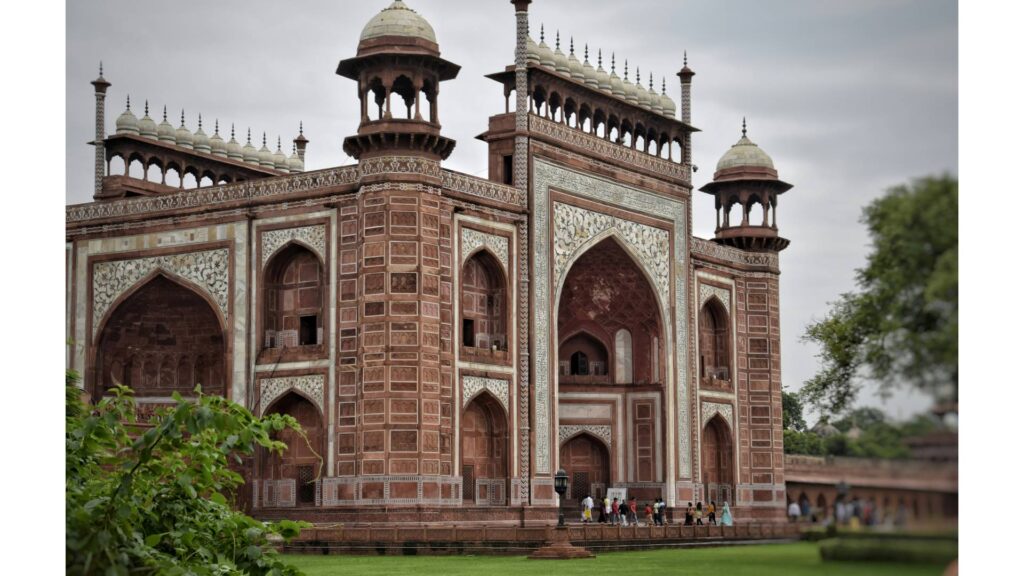
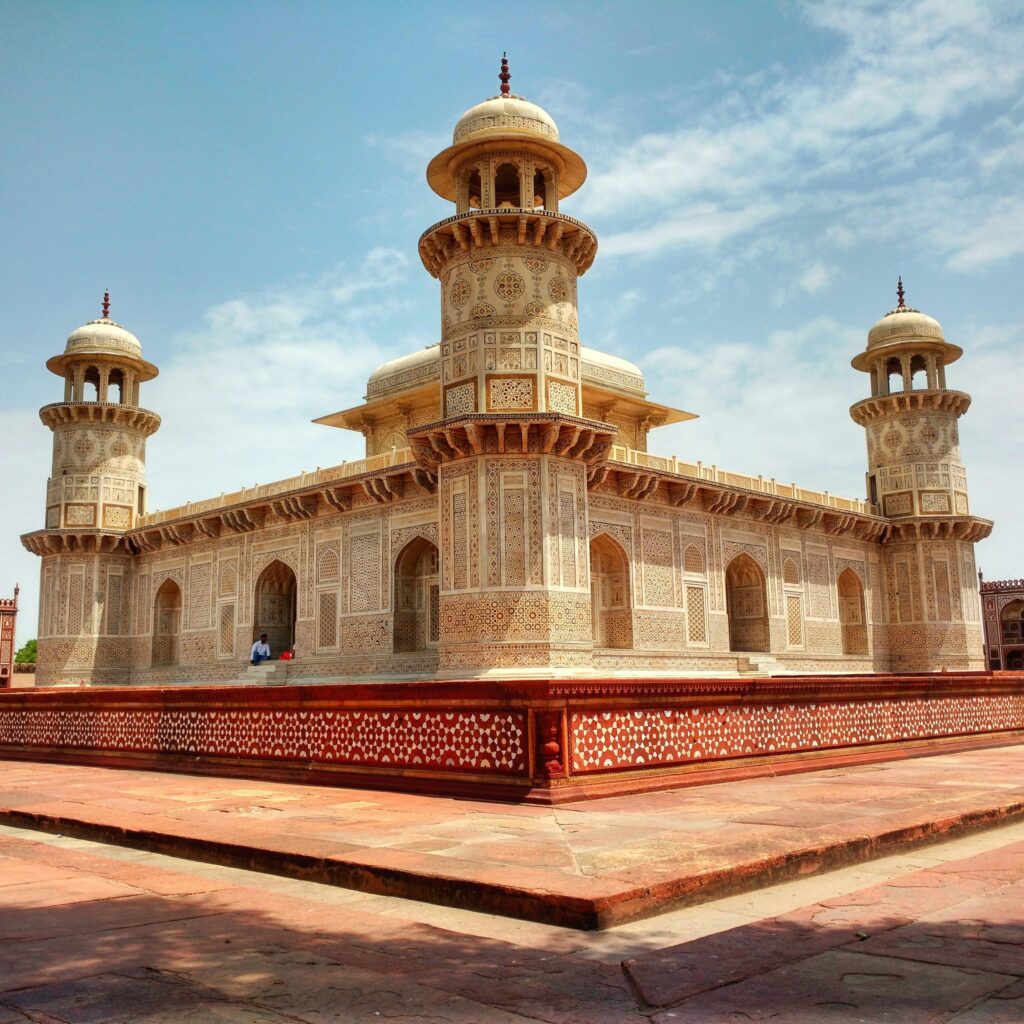
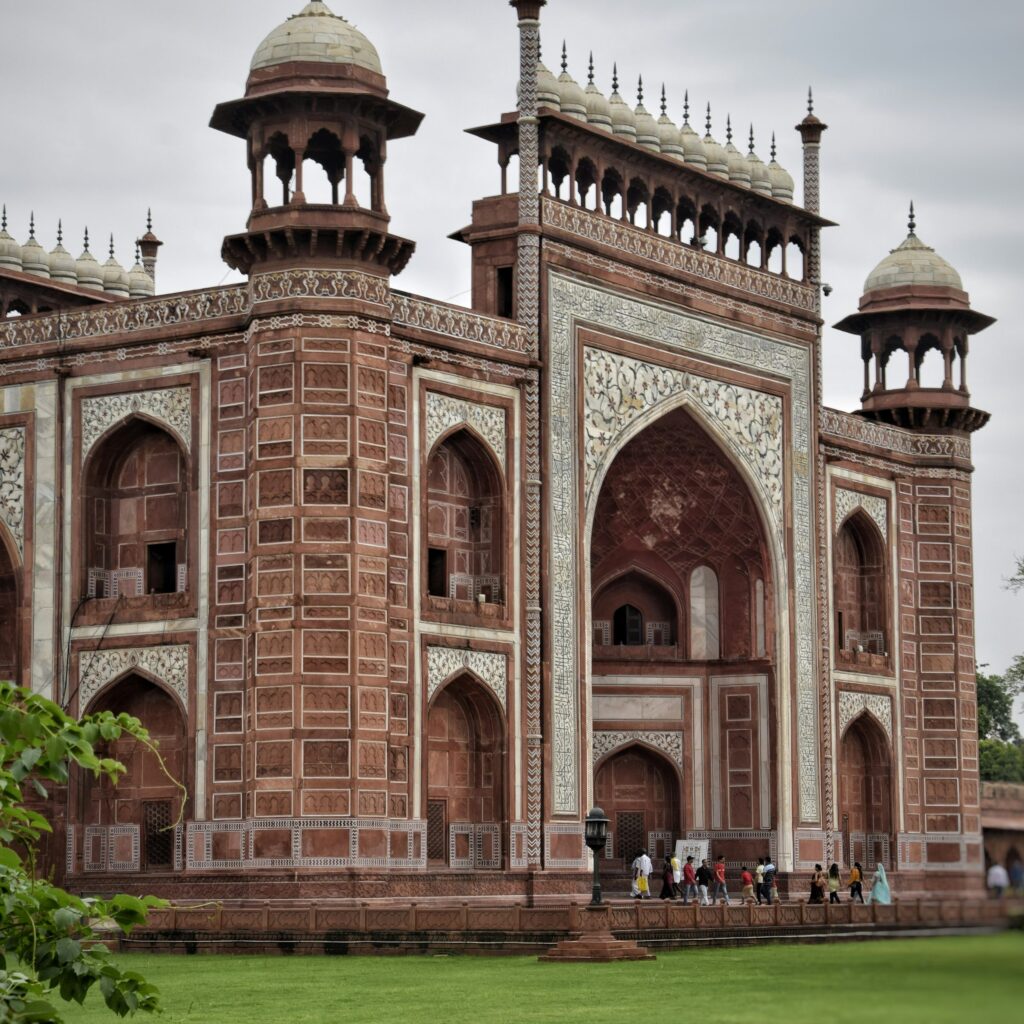
The fullest version – two nights in Ranthambore with two to three safaris, more time in Delhi and Agra, and buffer for weather or traffic. Covers stops shorter itineraries skip, like Itmad-ud-Daulah’s tomb in Agra.
Best for: travellers who want to do this trip once and do it properly – photographers and wildlife-focused travellers especially.
Luxury Golden Triangle with Ranthambore
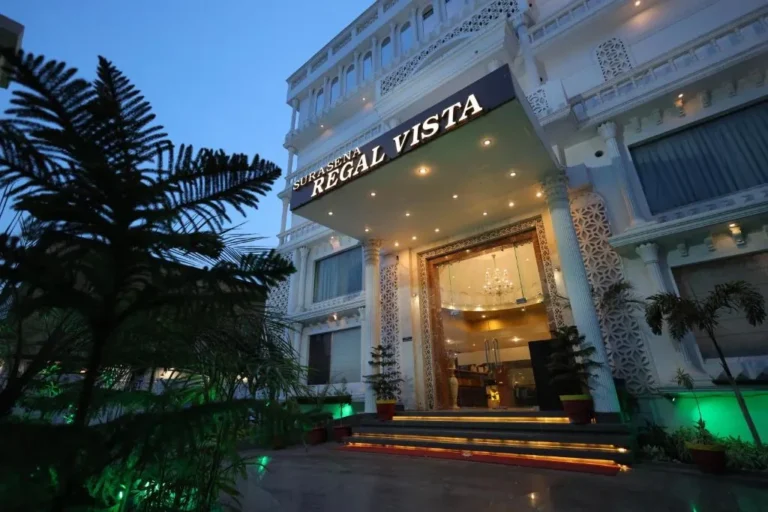
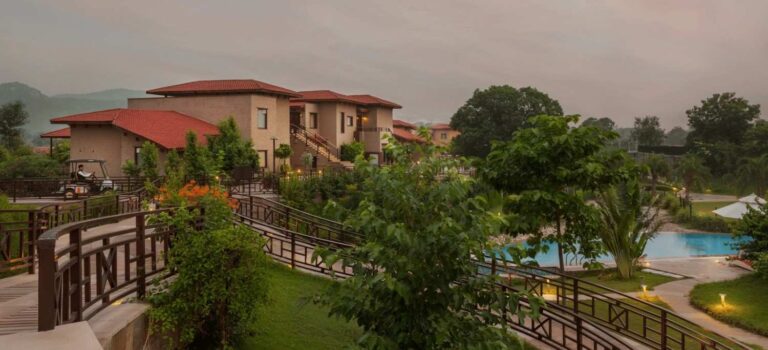
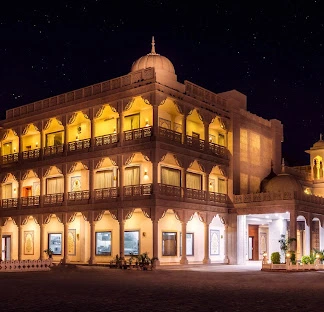
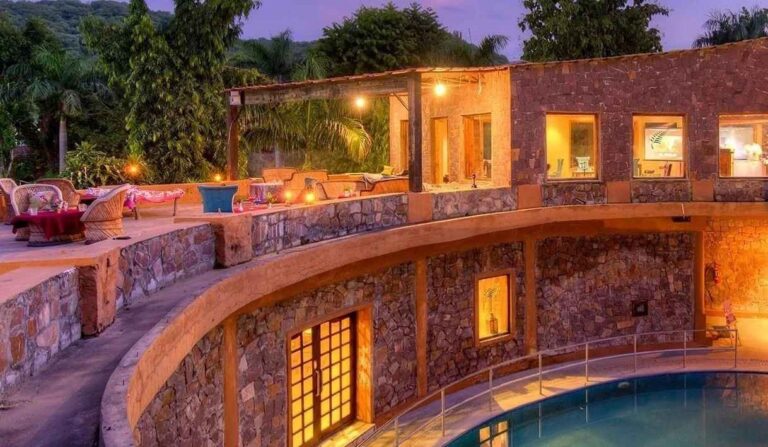
Same route, upgraded to 5-star and heritage properties throughout, including jungle lodges near the park. Private safari jeeps can be arranged on request.
Best for: honeymooners, milestone trips, and travellers who don’t want to compromise on stay quality.
Don’t see the exact combination you want? Every package here can be adjusted – extend a city, add Pushkar or Amritsar, or shift the hotel category. Request a Custom Itinerary →
6 vs 7 vs 8 Days: Which One Fits Your Trip?
6 Days
- Best for: Short leave, first-timers wanting the essentials
- Ranthambore stay: 1 night, 1 safari
- Trade-off: Faster pace, lower sighting odds
7 Days
- Best for: Balanced pacing, better safari odds
- Ranthambore stay: 2 nights, 2 safaris
- Trade-off: Good middle ground
8 Days
- Best for: Maximum safari time, relaxed pace
- Ranthambore stay: 2 nights, 2–3 safaris
- Trade-off: Higher cost, more buffer for delays
If a tiger sighting is the priority, go with 7 or 8 days. A single safari is never a guarantee – Ranthambore’s sighting rates are strong, but two drives across two days move the odds more than one long day in the park.
Every hotel across every package is pre-inspected by our reservations team before it goes on any itinerary. We don’t list a property we haven’t personally checked for safety, cleanliness, and location.
Best Time to Visit: A Month-by-Month Breakdown
Timing matters more on this itinerary than most, because Ranthambore’s safari calendar runs on a different logic than Delhi-Agra-Jaipur sightseeing.
October to February (Peak Season)
Cool, clear weather across all four cities. Ranthambore mornings can drop into single digits Celsius during December and January, so pack a light jacket for safaris even though Rajasthan days stay warm. The most comfortable stretch for fort visits and city walking.
March to June (Best Tiger Sighting, Hot Weather)
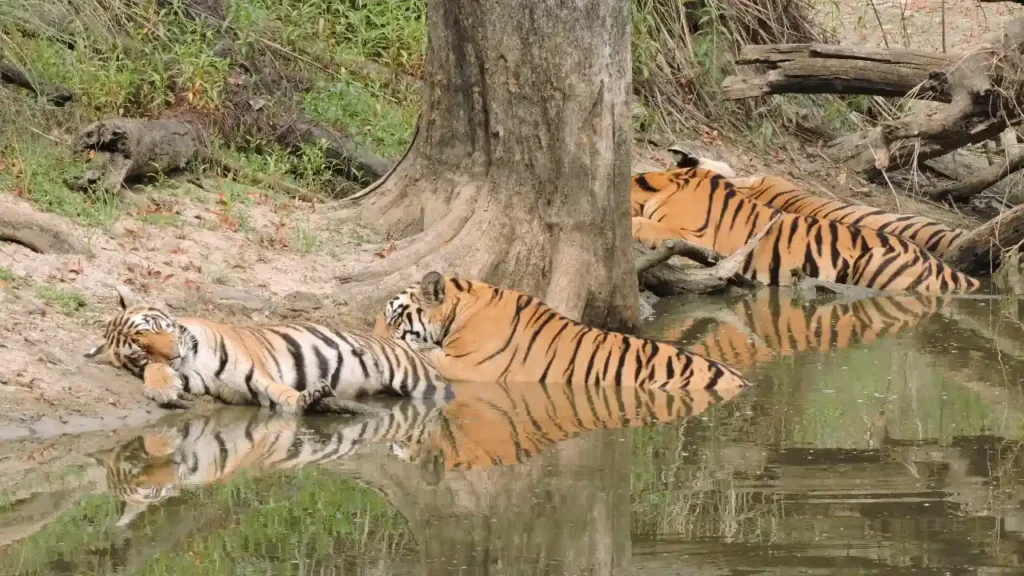
Waterholes shrink as summer heat builds, pushing tigers toward the remaining water sources inside the park – sighting probability climbs noticeably. The trade-off is heat: Jaipur and Ranthambore regularly cross 40°C by May. Manageable if sightseeing stays to early morning and evening; tougher if you’re heat-sensitive.
July to September (Monsoon, Park Closed)
Ranthambore National Park shuts for the monsoon and the breeding season. None of the packages above run in this window – the safari component simply won’t happen, so plan outside it.
Our take: November to February for the most comfortable all-round trip; late March to early May if a tiger sighting matters more to you than the heat.
Ranthambore Wildlife: What You’re Actually Looking For
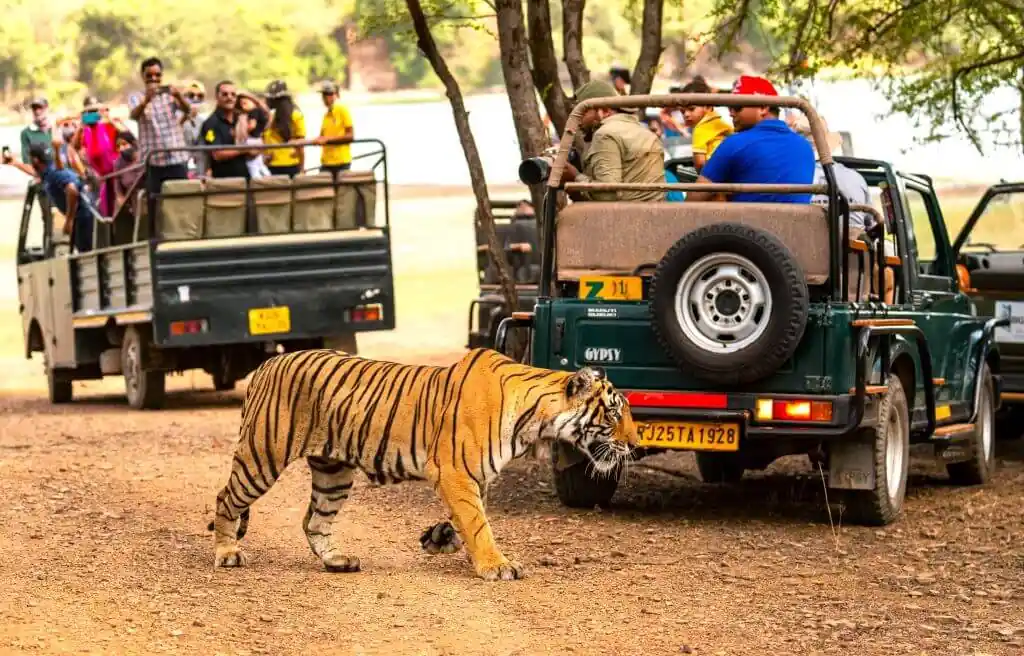
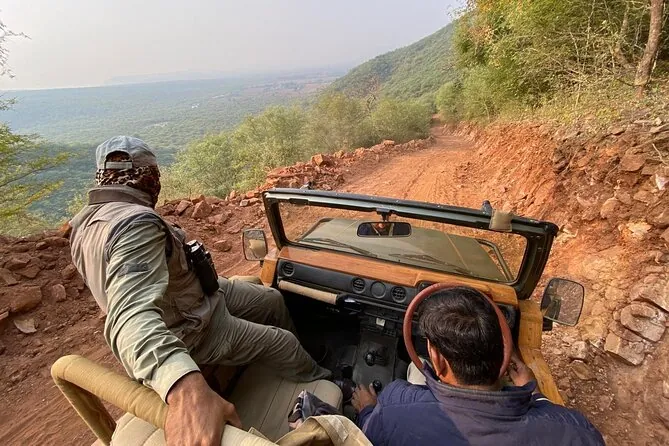
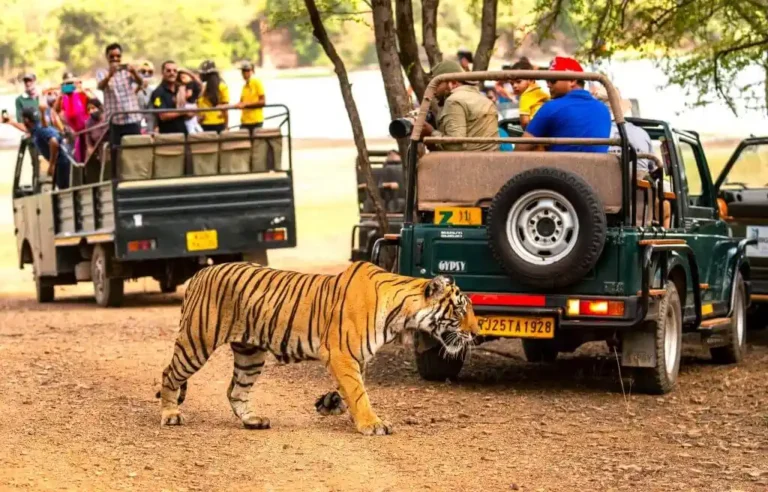
Ranthambore National Park covers roughly 1,300 sq. km in Rajasthan’s Sawai Madhopur district, split into ten safari zones. Zones 1–5 are generally considered the stronger sighting areas, sitting closer to denser tiger territory near the fort and lake system. Zone allotment runs through a computerised draw by the forest department – one reason booking early through a licensed operator, rather than a walk-in counter, matters.
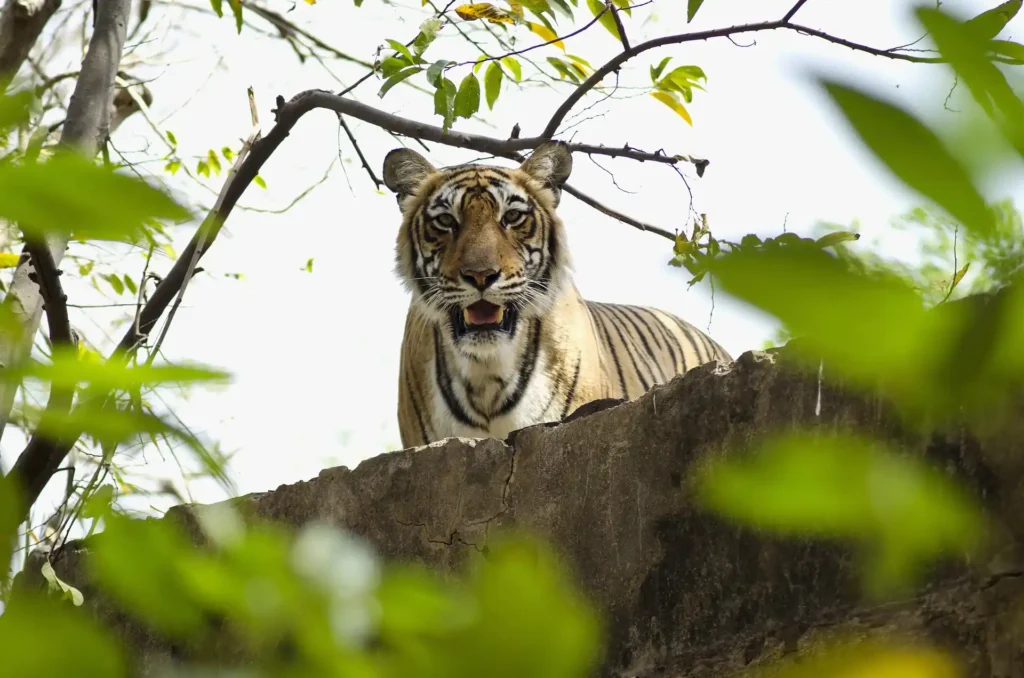
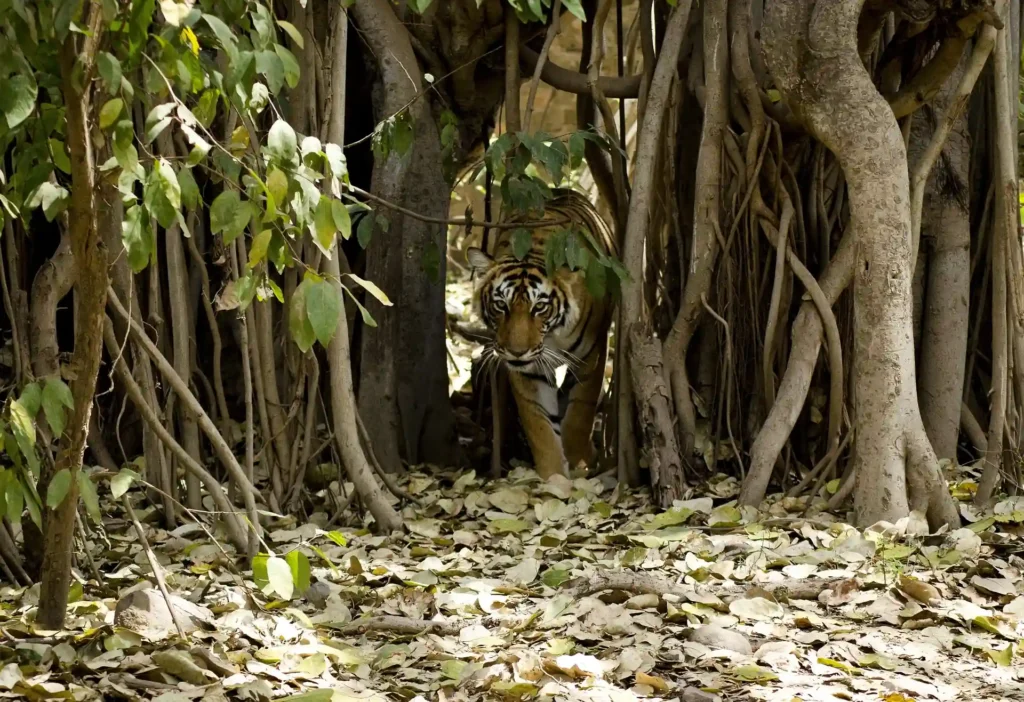
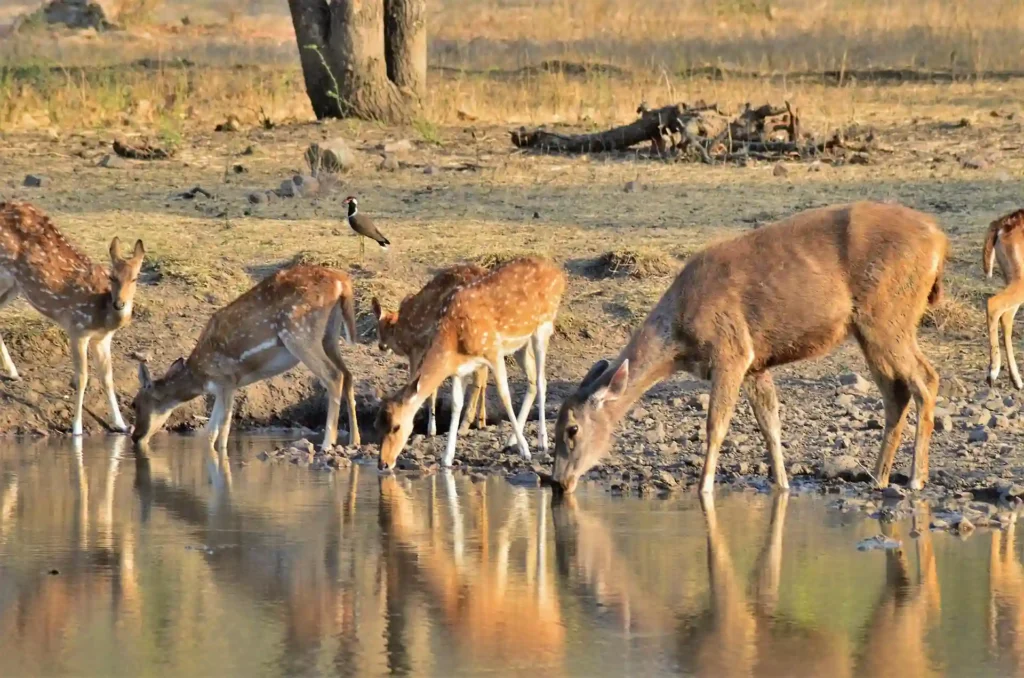
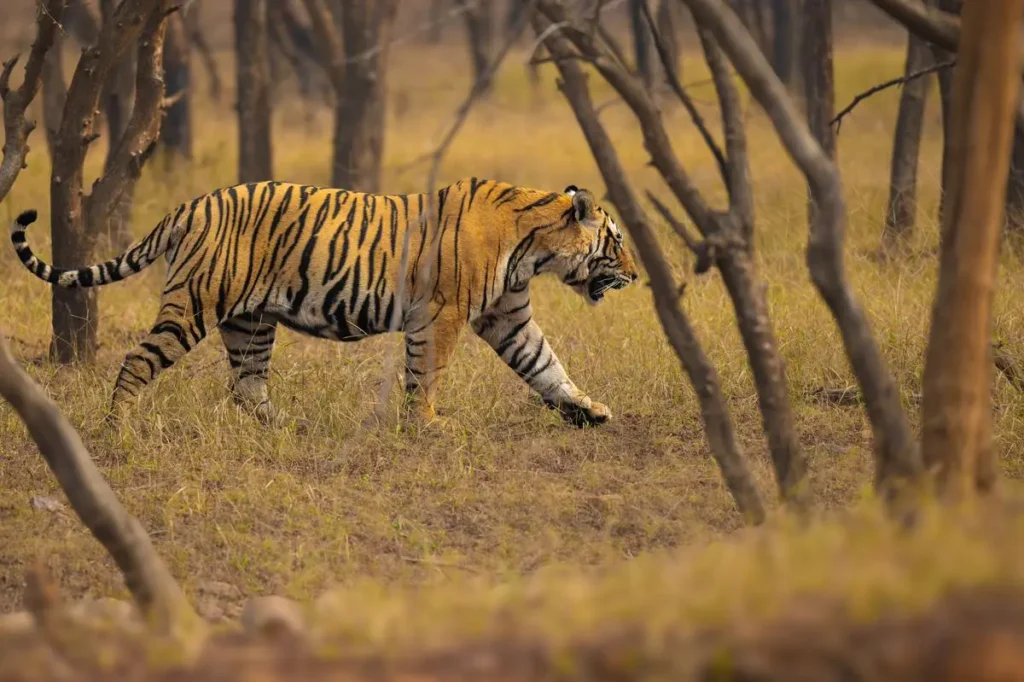
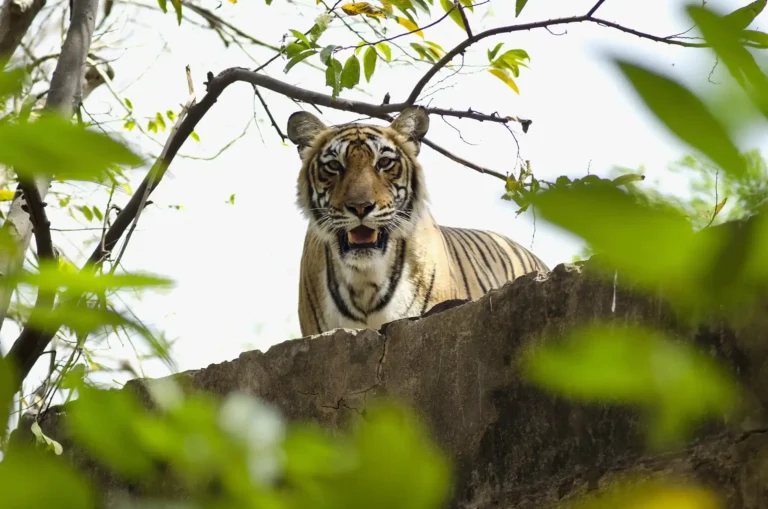
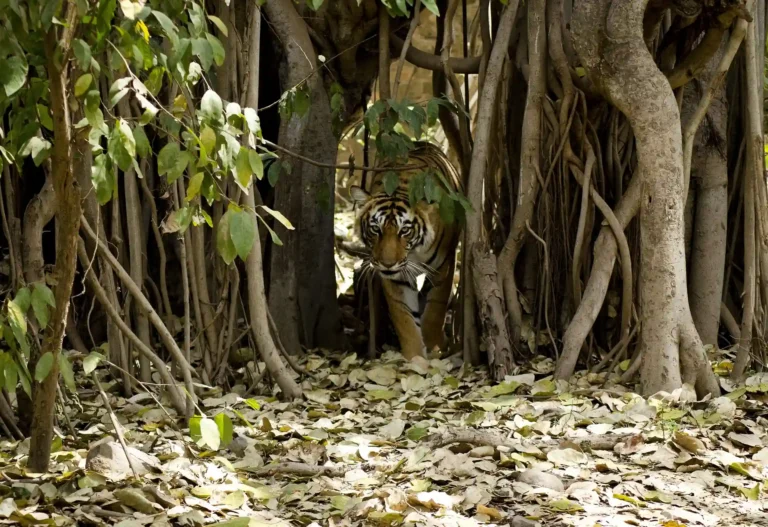
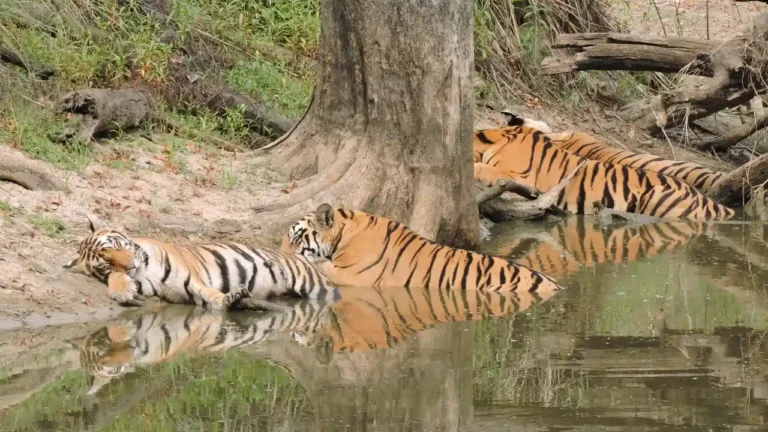
Beyond the Royal Bengal tiger, the reserve is home to leopards, sloth bears, striped hyenas, marsh crocodiles, more than 40 mammal species, and over 270 recorded bird species, including painted storks and crested serpent eagles around Padam Talao and Rajbagh lakes. Ranthambore Fort, standing within the park itself, dates to the 10th century and holds UNESCO World Heritage status as part of the Hill Forts of Rajasthan listing.
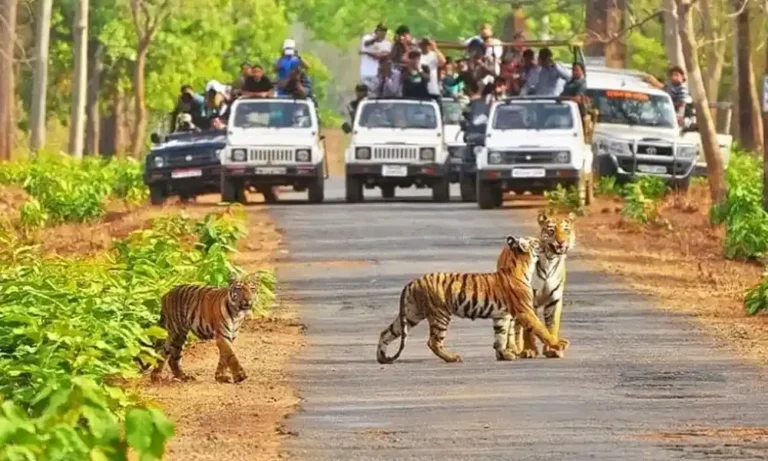
Set realistic expectations: Ranthambore’s sighting rates rank among the highest of any Indian tiger reserve, but high doesn’t mean guaranteed on every drive. That’s exactly why the 7 and 8-day packages – which build in two safaris instead of one – tend to be the stronger choice when wildlife is the priority.
Shopping and Dining Along the Route
Delhi
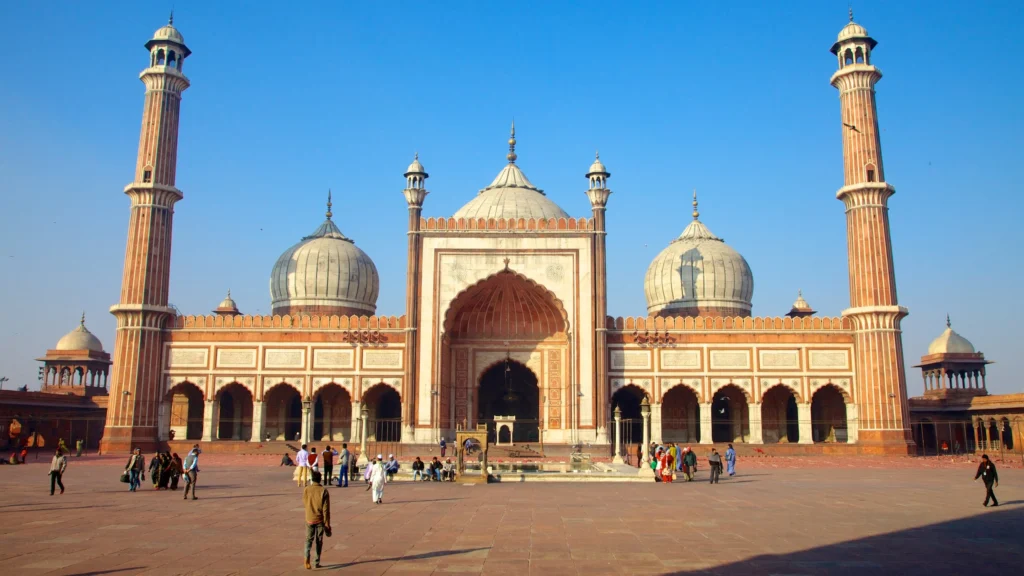
Chandni Chowk for silver jewellery, spices, and street food (the parathas on Paranthe Wali Gali are worth the detour); Dilli Haat for handmade crafts from across the country; Khan Market for a quieter, upscale stop. For dinner, Karim’s near Jama Masjid has served Mughlai kebabs since 1913.
Agra
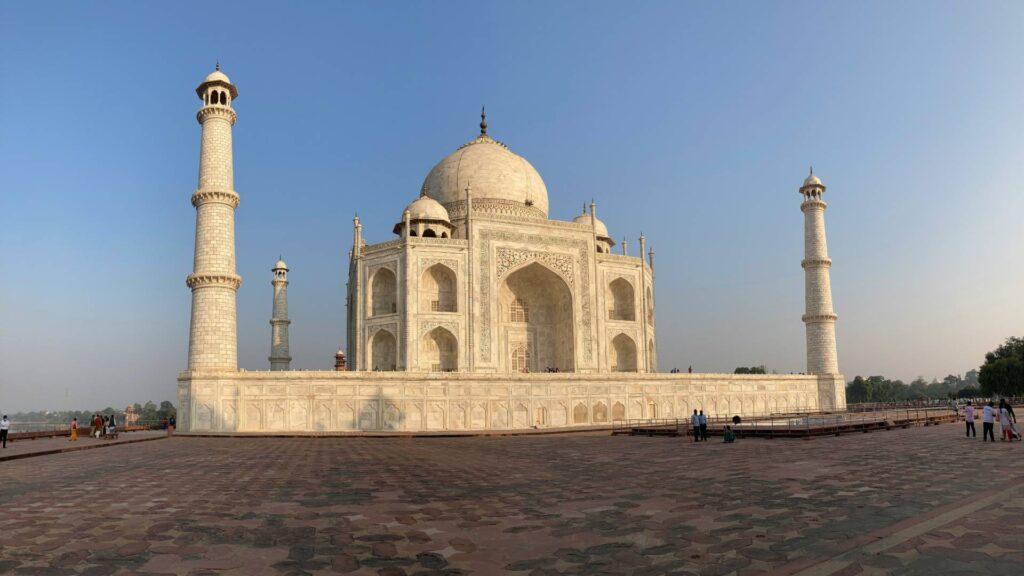
Sadar Bazaar for leather goods and marble inlay souvenirs, best browsed in the evening. Try petha, Agra’s signature sweet, from a local shop rather than a tourist-strip stall.
Ranthambore
Dastkar Ranthambhore, an NGO-run craft shop, sells block-printed textiles and tribal jewellery made by local women artisans – a good stop if you’d rather your souvenir spend go somewhere specific. For food, expect Rajasthani staples like laal maas and gatte ki sabzi at most jungle lodges.
Jaipur
Johari Bazaar for gemstone and kundan jewellery (buy only from certified stores), Bapu Bazaar for cotton textiles and mojris. LMB (Laxmi Mishtan Bhandar) is the go-to for Rajasthani sweets like ghewar.
Before You Travel: Practical Notes
- Book safaris early. Ranthambore permits are limited and allotted in advance – confirm at least 3–4 weeks ahead, especially in peak season (December–February).
- Carry ID. A government ID or passport is checked at multiple points – hotel check-ins and forest gate entry – not just once.
- Layer for temperature swings. Winter safari mornings run cold even when afternoons stay warm; summer city sightseeing needs sun protection, not warm layers.
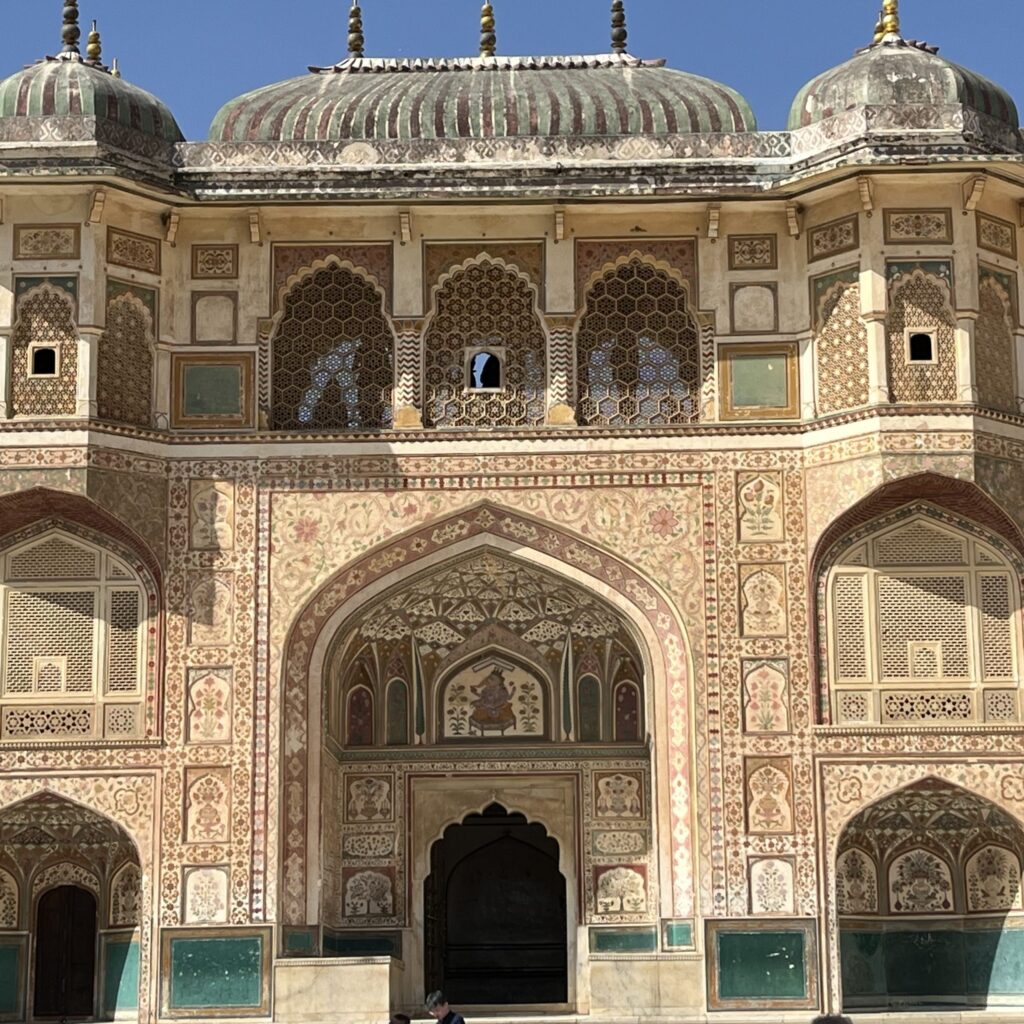
- Wear comfortable footwear. Forts involve uneven stone steps and long walking stretches, especially Amber Fort and Ranthambore Fort.
- Expect patchy network inside the reserve. Don’t plan on being reachable during safari hours.
- Monument entry fees are usually separate from the package cost unless the inclusions table on your chosen itinerary says otherwise.
- Wildlife etiquette applies strictly in Ranthambore – no bright clothing, no loud noise, no feeding animals. Naturalists will ask you to comply, and it’s for good reason.
Why Travel This Route With Crystal India Holidays
1. We Own Our Vehicles
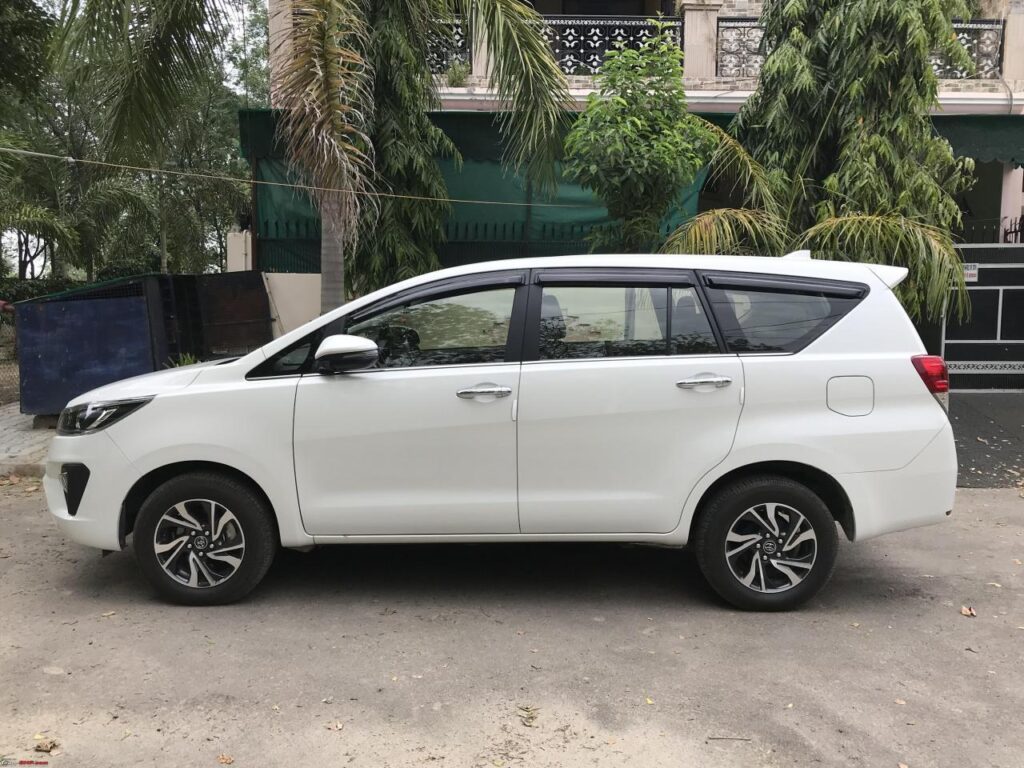
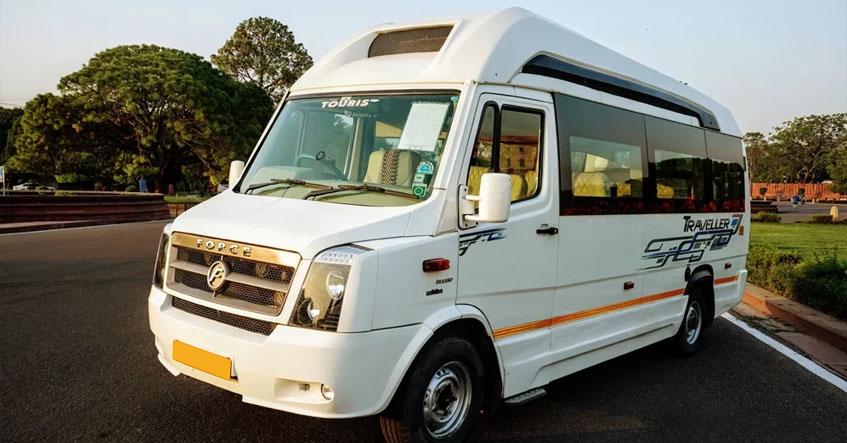
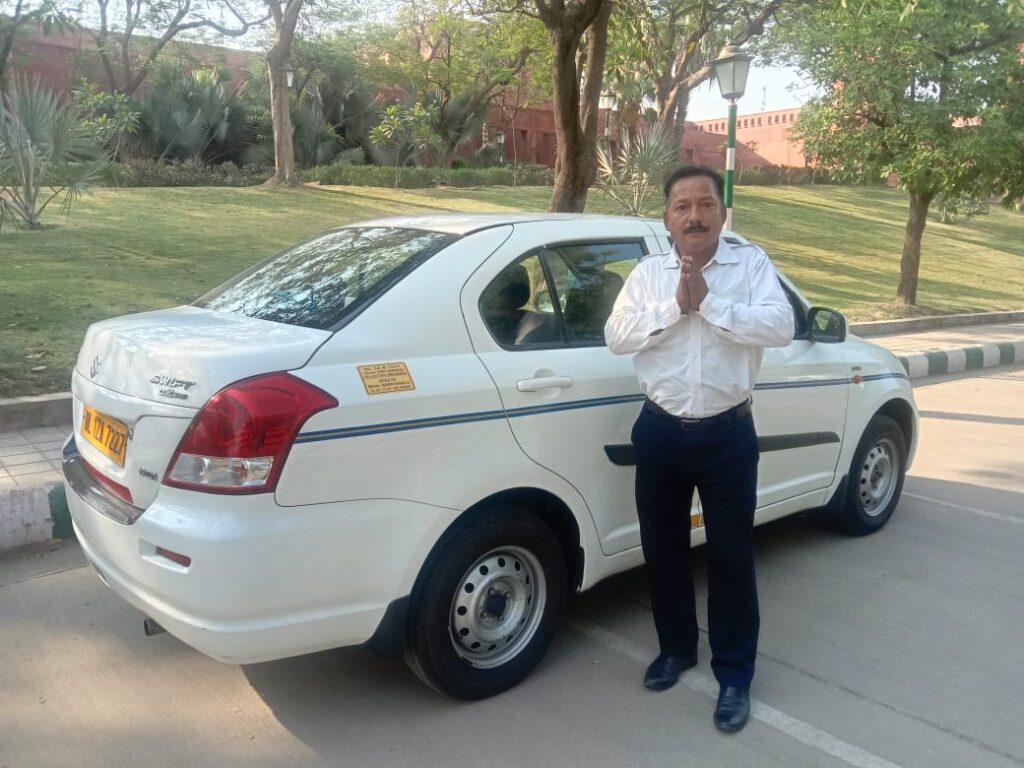
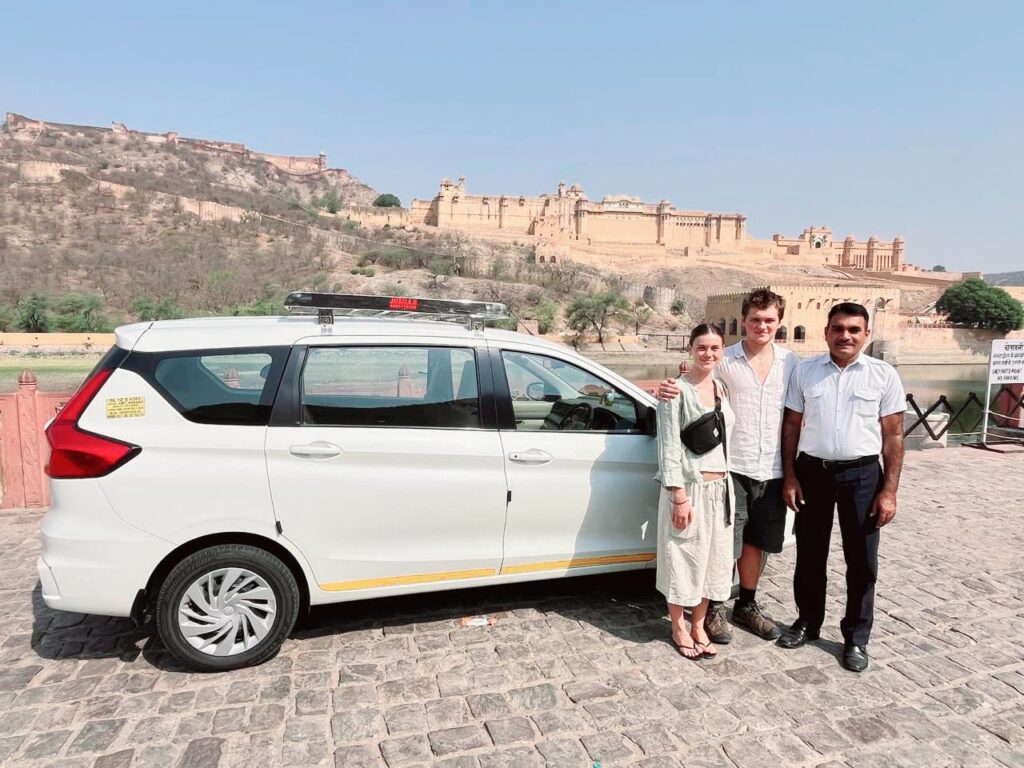
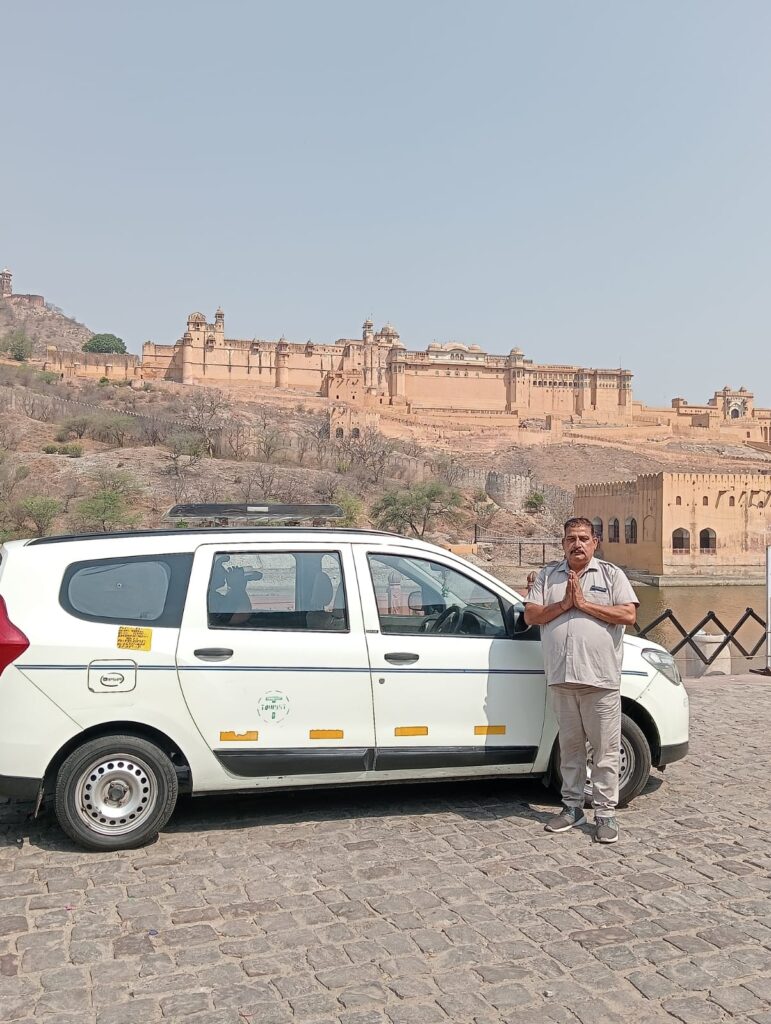
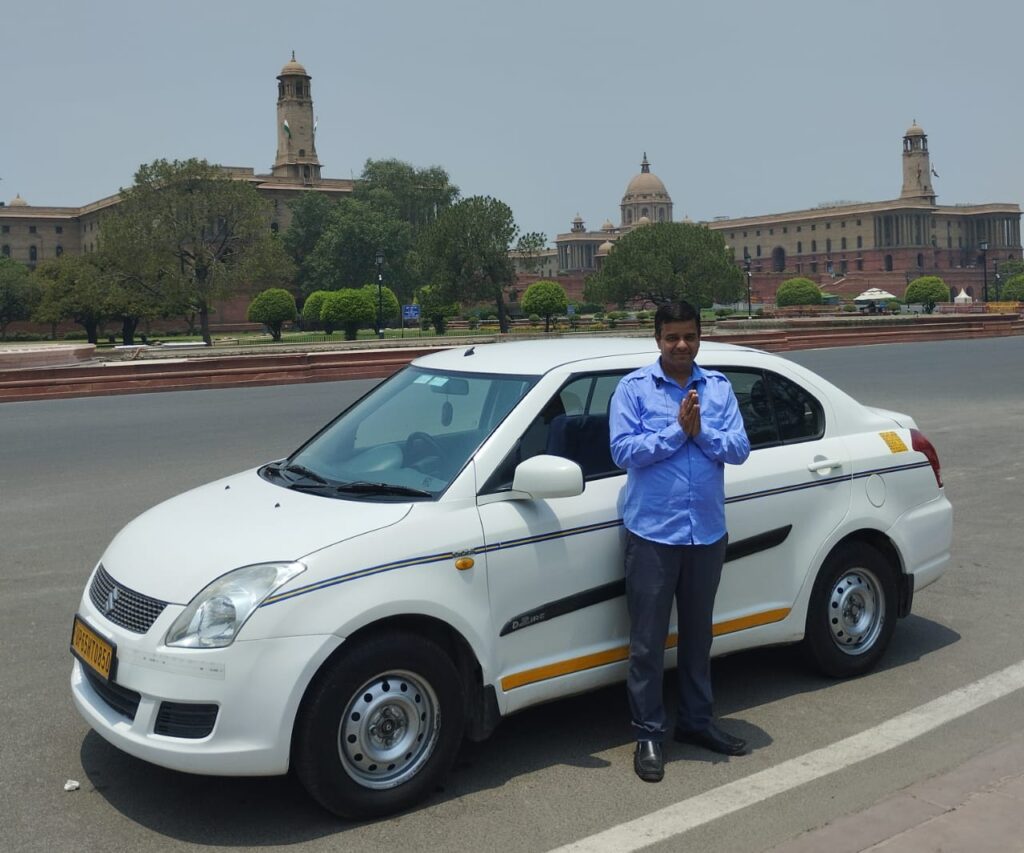
Every transfer across all four packages runs on Crystal India’s own fleet – never a subcontracted car arranged the morning of your trip. That means consistent vehicle quality and drivers who know this specific route, not a one-off hire.
2. Fifteen Years of Recognition, Not Just Fifteen Years in Business
Crystal India has received consecutive industry awards for fifteen years running, and holds approval from the Ministry of Tourism, India, along with membership in the All India Tour Operator Association.
3. Your Itinerary Is Planned by People Who’ve Run This Route for Decades
Our travel consultant brings 18 years of on-ground India travel experience; our reservations and operations lead has run bookings and logistics for 20 years. The duration options above reflect that experience, not a generic template.
4. We Book Safaris Directly, Not Through Resellers
This matters more than it sounds – resold safari slots are where most last-minute cancellations and zone mix-ups happen.
Plan Your Golden Triangle with Ranthambore Trip
Hotel availability and safari zone allotment both depend on your travel dates – the earlier you check, the more options you’ll have, especially for peak season (October–March).
📝 Get a Free Customised Quote →
💬 WhatsApp Us : +91 9311016363
📞 Call Now : +91 9311016363
Our team responds within 24 hours with a package recommendation tailored to your dates, group size, and hotel preference – no obligation to book.
< Show Less


 5% OFF