

Traditional Indian Food: Famous & Authentic Dishes from All 28 States of India
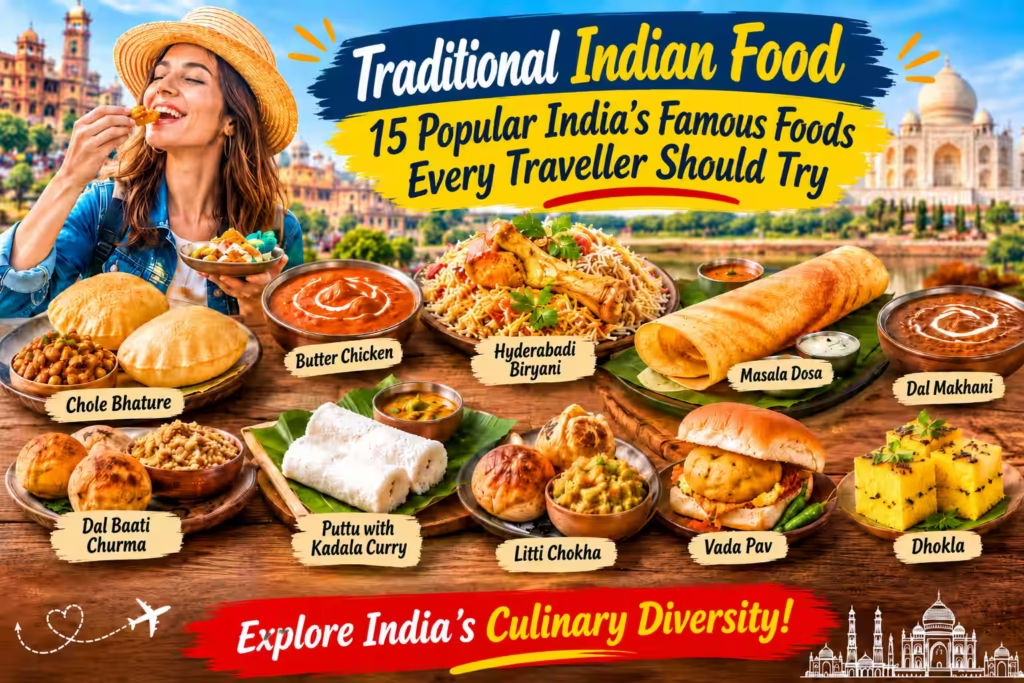
India’s food culture is as diverse as its geography, languages and traditions. A meal in Punjab may include makki di roti and sarson da saag, while a traditional meal in Kerala may feature rice, sambar and coconut-based preparations. Rajasthan is known for distinctive dishes developed around its dry climate, whereas coastal Goa has a strong tradition of seafood, coconut and local spices.
Traditional Indian food is not one single cuisine. It is a collection of regional food traditions shaped by local ingredients, climate, history, agriculture and community practices.
For travellers, exploring Indian food is an opportunity to understand the country beyond its famous monuments and tourist attractions. From lentil-based dishes in central India to fish curries in the eastern states, every region has its own specialities.
This guide explores traditional food from all 28 Indian states, including famous dishes, their key ingredients, cultural backgrounds, traditional cooking methods and where visitors can experience them.
Table of Contents
-
2. Traditional Food of All 28 Indian States
- 2.1 Andhra Pradesh
- 2.2 Arunachal Pradesh
- 2.3 Assam
- 2.4 Bihar
- 2.5 Chhattisgarh
- 2.6 Goa
- 2.7 Gujarat
- 2.8 Haryana
- 2.9 Himachal Pradesh
- 2.10 Jharkhand
- 2.11 Karnataka
- 2.12 Kerala
- 2.13 Madhya Pradesh
- 2.14 Maharashtra
- 2.15 Manipur
- 2.16 Meghalaya
- 2.17 Mizoram
- 2.18 Nagaland
- 2.19 Odisha
- 2.20 Punjab
- 2.21 Rajasthan
- 2.22 Sikkim
- 2.23 Tamil Nadu
- 2.24 Telangana
- 2.25 Tripura
- 2.26 Uttar Pradesh
- 2.27 Uttarakhand
- 2.28 West Bengal
- 3. The 28 States of India and Their Famous Food: Quick Reference
- 4. A Food Lover’s Stop in Delhi: Street Food You Shouldn’t Miss
- 5. India’s Famous Food: 15 Popular Indian Dishes
- 7. Best Biryani in India: Regional Varieties
- 10. Frequently Asked Questions
- 11. Conclusion: Explore India’s Food Culture One Region at a Time
What Makes Traditional Indian Food Unique?
Indian cuisine has evolved through centuries of regional agriculture, cultural exchange, migration and local cooking traditions. The ingredients and flavours found in one part of India can be very different from those found in another.
Regional Ingredients and Cooking Traditions
- North India: Wheat, dairy products, lentils, seasonal vegetables and tandoor preparations.
- South India: Rice, coconut, tamarind, lentils and fermented preparations.
- West India: Coastal seafood, millet-based dishes, pulses and locally grown vegetables.
- East India: Rice, fish, mustard and seasonal vegetables.
- Northeast India: Rice, bamboo shoots, fermented ingredients, leafy vegetables and smoked foods.
These are broad regional patterns. Individual communities and households often have their own food traditions.
Spices and Regional Flavours
Indian cooking uses ingredients such as turmeric, cumin, coriander, mustard seeds, fenugreek, cardamom, cloves, cinnamon, black pepper, ginger, garlic and chillies.
However, Indian food is not simply about chilli heat. Spices also provide aroma, colour, sweetness, earthiness and acidity. A Bengali mustard fish curry, a Rajasthani ker sangri preparation and a Tamil Chettinad curry have very different flavour profiles.
Traditional Cooking Methods
- Dum cooking: Food is slowly cooked in a sealed pot.
- Tandoor cooking: Bread and marinated foods are cooked in a traditional clay oven.
- Steaming: Used for dishes such as idli, puttu and regional rice-flour preparations.
- Fermentation: Used in dosa and idli batter and several regional preparations.
- Tempering: Spices are heated briefly in oil or ghee to release their aroma.
- Smoking and drying: Used in several regional food traditions, particularly for meat and preservation.
Vegetarian and Non-Vegetarian Food Traditions
India offers a wide variety of vegetarian and non-vegetarian dishes. Gujarati cuisine includes many vegetarian preparations, Bengali cuisine has a strong fish tradition, and coastal Goan cooking features seafood alongside vegetarian dishes.
Recipes can vary between communities and households, so international visitors should always confirm ingredients when following a particular diet.
Traditional Food of All 28 Indian States
1. Andhra Pradesh – Traditional Food of Andhra Pradesh
Andhra Pradesh’s cuisine is known for bold flavours, tangy ingredients and rice-based meals. Gongura leaves, tamarind, lentils and red chillies are commonly used in traditional preparations. The state offers a wide variety of vegetarian and non-vegetarian specialities.
| Dish | Why It’s Famous | Veg/Non-Veg |
|---|---|---|
| Gongura Pachadi | A popular Andhra chutney recognised for the naturally sour flavour of gongura leaves. | Veg |
| Pesarattu | A traditional Andhra breakfast pancake made from whole green gram. | Veg |
| Pulihora | A tangy rice dish commonly prepared for everyday meals and festive occasions. | Veg |
Also Try: MLA Pesarattu, a popular combination of pesarattu and upma, often served with ginger chutney.
Best Place to Try: Vijayawada, Guntur and Visakhapatnam.
2. Arunachal Pradesh – Traditional Food of Arunachal Pradesh
Arunachal Pradesh has diverse indigenous food traditions influenced by its mountains, forests and local agriculture. Rice, bamboo shoots, leafy vegetables, herbs and meat are important ingredients in many communities. Food preparation varies between different tribal communities and regions.
| Dish | Why It’s Famous | Veg/Non-Veg |
|---|---|---|
| Bamboo Shoot Preparations | Bamboo shoots are an important ingredient in several traditional Arunachali communities. | Both |
| Thukpa | A popular Himalayan noodle soup enjoyed in parts of Arunachal Pradesh. | Both |
| Lukter | A smoked-meat preparation associated with parts of Arunachal Pradesh. | Non-Veg |
Also Try: Zan, a traditional porridge-like preparation made with millet or other locally used flour, depending on the community.
Best Place to Try: Itanagar and local food establishments in different parts of Arunachal Pradesh.
3. Assam – Traditional Assamese Food
Assamese cuisine makes extensive use of rice, freshwater fish, leafy vegetables, mustard and locally available herbs. Many traditional dishes focus on the natural flavours of their main ingredients rather than heavy spice mixtures.
| Dish | Why It’s Famous | Veg/Non-Veg |
|---|---|---|
| Masor Tenga | One of Assam’s best-known fish preparations, recognised for its light and sour gravy. | Non-Veg |
| Khar | A distinctive Assamese preparation named after its traditional alkaline ingredient. | Both |
| Til Pitha | A traditional Assamese sweet particularly associated with Magh Bihu. | Veg |
Also Try: Aloo Pitika, a simple mashed potato preparation seasoned with mustard oil, onion, chillies and other ingredients.
Best Place to Try: Guwahati, Jorhat and traditional Assamese eateries across Assam.
4. Bihar – Traditional Food of Bihar
Bihari cuisine is closely connected to local agriculture and household cooking traditions. Wheat, rice, lentils, gram flour, mustard oil and sattu are important ingredients in many regional dishes. The cuisine includes filling meals, savoury snacks and sweets associated with festivals and family celebrations.
| Dish | Why It’s Famous | Veg/Non-Veg |
|---|---|---|
| Litti Chokha | One of the most recognisable dishes associated with Bihar, combining stuffed wheat balls with roasted vegetable mash. | Veg |
| Dal Pitha | A traditional rice-flour dumpling filled with a savoury lentil mixture. | Veg |
| Thekua | A traditional sweet associated with Chhath Puja and festive occasions. | Veg |
Also Try: Sattu Paratha, a stuffed flatbread made with roasted gram flour and seasoned ingredients.
Best Place to Try: Patna, Gaya and traditional Bihari food establishments.
5. Chhattisgarh – Traditional Food of Chhattisgarh
Chhattisgarh is known for rice-based meals, lentil preparations and traditional snacks. Rice flour, chana dal and seasonal ingredients are used in several everyday and festive dishes. Many local preparations are steamed or cooked using simple methods that allow the ingredients to retain their natural flavours.
| Dish | Why It’s Famous | Veg/Non-Veg |
|---|---|---|
| Chila | A popular regional savoury pancake, often prepared using rice-based batter. | Veg |
| Fara | A traditional steamed rice-flour preparation found in Chhattisgarh and neighbouring regions. | Veg |
| Bafauri | A steamed snack prepared with chana dal or gram flour. | Veg |
Also Try: Dehrori, a traditional sweet preparation made using fermented rice and other ingredients, with regional variations.
Best Place to Try: Raipur, Bilaspur and local traditional eateries.
6. Goa – Traditional Goan Food
Goan cuisine reflects its coastal location, fishing traditions, coconut cultivation and centuries of cultural exchange. Fish, prawns, rice, coconut, vinegar and local spices are important ingredients in many traditional preparations.
Goan food includes different Hindu and Christian culinary traditions, each with its own ingredients and techniques. Portuguese influence is particularly visible in some well-known Goan preparations, although not every Goan dish has Portuguese origins.
| Dish | Why It’s Famous | Veg/Non-Veg |
|---|---|---|
| Goan Fish Curry | A well-known coastal dish featuring fish in a tangy coconut-based gravy. | Non-Veg |
| Prawn Balchão | A spicy and tangy Goan prawn preparation influenced by Portuguese culinary traditions. | Non-Veg |
| Bebinca | A famous layered Goan dessert associated with celebrations and festive occasions. | Non-Veg (contains egg) |
Also Try: Goan Pork Vindaloo, a vinegar-based preparation with spices and a distinctive tangy flavour.
Best Place to Try: Panaji, Margao and coastal Goan restaurants.
7. Gujarat – Traditional Gujarati Food
Gujarati cuisine is known for its variety of vegetarian dishes, sweet-and-savoury flavour combinations and seasonal ingredients. Wheat, millet, lentils, chickpeas, yoghurt and vegetables are commonly used. A traditional Gujarati meal often includes several small preparations served together, creating a balance of different flavours and textures.
| Dish | Why It’s Famous | Veg/Non-Veg |
|---|---|---|
| Dhokla | One of Gujarat’s most recognised snacks, known for its soft, spongy texture and mildly tangy flavour. | Veg |
| Undhiyu | A traditional Gujarati mixed-vegetable preparation particularly associated with winter and the festival of Uttarayan. | Veg |
| Gujarati Kadhi | A popular yoghurt-based preparation commonly served with rice or khichdi in Gujarati households. | Veg |
Also Try: Gujarati Thali, a complete regional meal that may include rotli, dal, kadhi, seasonal vegetables, rice, farsan, pickle and a sweet preparation.
Best Place to Try: Ahmedabad, Vadodara, Rajkot and traditional Gujarati restaurants across the state.
8. Haryana – Traditional Food of Haryana
Haryanvi cuisine reflects the state’s agricultural lifestyle and the importance of locally grown grains, dairy products and seasonal vegetables. Wheat, bajra, mustard, chickpeas, milk, curd and ghee are common ingredients. Traditional meals are generally filling, with simple preparations that make good use of locally available produce.
| Dish | Why It’s Famous | Veg/Non-Veg |
|---|---|---|
| Bajra Khichdi | A traditional winter preparation made with pearl millet and commonly eaten in rural Haryana. | Veg |
| Hara Dhania Cholia | A seasonal preparation made with fresh green chickpeas, which are widely enjoyed in parts of Haryana. | Veg |
| Kachri ki Sabzi | A regional vegetable preparation using kachri, a small wild melon traditionally used in parts of Haryana and Rajasthan. | Veg |
Also Try: Bajra Roti, a traditional pearl millet flatbread usually served with seasonal vegetables, curd, homemade butter or ghee.
Best Place to Try: Rohtak, Hisar, Karnal and traditional rural food establishments across Haryana.
9. Himachal Pradesh – Traditional Himachali Food
Himachali cuisine is influenced by the state’s mountainous geography, cool climate and local agricultural practices. Rice, wheat, maize, lentils, yoghurt and seasonal vegetables are important ingredients. Many traditional preparations are associated with village life, family gatherings and religious festivals.
| Dish | Why It’s Famous | Veg/Non-Veg |
|---|---|---|
| Siddu | A well-known Himachali steamed bread traditionally prepared in parts of the state, particularly in the Kullu and Shimla regions. | Veg |
| Madra | A traditional yoghurt-based curry associated with Himachali cuisine, particularly the Chamba region. | Veg |
| Dham | A traditional festive meal served at weddings, religious occasions and community celebrations in Himachal Pradesh. | Veg |
Also Try: Chha Gosht, a traditional Himachali meat preparation in which lamb is cooked in a yoghurt-based gravy with spices and gram flour.
Best Place to Try: Chamba, Kullu, Manali and traditional Himachali food establishments in Shimla.
10. Jharkhand – Traditional Food of Jharkhand
Jharkhand’s traditional food reflects its agricultural landscape, forests and indigenous community traditions. Rice, pulses, leafy vegetables, seasonal produce and locally available ingredients are important in everyday meals. The cuisine includes steamed snacks, rice-based preparations and dishes made with lentils and gram flour.
| Dish | Why It’s Famous | Veg/Non-Veg |
|---|---|---|
| Dhuska | A popular Jharkhand snack made from a rice and lentil batter, commonly served with ghugni or potato curry. | Veg |
| Chilka Roti | A traditional flatbread made using rice and lentils, enjoyed in parts of Jharkhand and neighbouring regions. | Veg |
| Pittha | A traditional filled rice-flour preparation found in several eastern and central Indian food traditions. | Veg |
Also Try: Rugra, an edible wild mushroom traditionally collected and prepared during the monsoon season in parts of Jharkhand. It is usually cooked with local spices and vegetables.
Best Place to Try: Ranchi, Jamshedpur and local traditional food establishments across Jharkhand.
11. Karnataka – Traditional Karnataka Food
Karnataka’s food ranges from Udupi temple cooking on the coast to traditional regional meals in North Karnataka and royal sweets in Mysuru. Rice, ragi, lentils, coconut, jaggery and seasonal vegetables are widely used. Bengaluru’s traditional tiffin restaurants are also known for popular South Indian breakfasts.
| Dish | Why It’s Famous | Veg/Non-Veg |
|---|---|---|
| Bisi Bele Bath | A famous Karnataka one-pot meal. Its name refers to hot lentil rice in Kannada. | Veg |
| Mysore Pak | A famous sweet associated with Mysore and traditionally linked to the royal kitchens of Mysore Palace. | Veg |
| Ragi Mudde | A traditional finger-millet preparation particularly popular in parts of southern Karnataka. | Veg |
Also Try: Masala Dosa, a crisp fermented rice-and-lentil pancake filled with seasoned potato masala. Bengaluru and Mysuru are well-known places to try it.
Best Place to Try: Bengaluru, Mysuru, Udupi and traditional Karnataka restaurants.
12. Kerala – Traditional Kerala Food
Kerala’s cuisine reflects its long coastline, tropical climate, coconut cultivation and agricultural traditions. Rice, coconut, curry leaves, black pepper, cardamom, tamarind and seafood are common ingredients. Kerala also has a strong vegetarian cooking tradition, particularly visible in its traditional festive meals.
| Dish | Why It’s Famous | Veg/Non-Veg |
|---|---|---|
| Appam with Stew | A well-known Kerala breakfast combination featuring soft-centred, lacy rice pancakes and a mild stew. | Both |
| Kerala Sadya | A traditional vegetarian feast served on a banana leaf, particularly during Onam, weddings and other celebrations. | Veg |
| Puttu with Kadala Curry | A popular Kerala breakfast consisting of steamed rice and coconut cylinders served with black chickpea curry. | Veg |
Also Try: Kerala Fish Curry, a regional preparation that uses fish, coconut or other locally preferred ingredients, with souring agents such as kokum or tamarind depending on the recipe.
Best Place to Try: Kochi, Thiruvananthapuram, Kozhikode and traditional Kerala restaurants across the state.
13. Madhya Pradesh – Traditional Food of Madhya Pradesh
Madhya Pradesh’s cuisine reflects influences from central India’s agricultural communities and historic cities. Wheat, lentils, maize, gram flour and seasonal vegetables are widely used. The state’s food culture includes popular street breakfasts, filling traditional meals and regional sweets.
| Dish | Why It’s Famous | Veg/Non-Veg |
|---|---|---|
| Poha-Jalebi | A popular breakfast combination, particularly associated with Indore. It brings together savoury flattened rice and sweet jalebi. | Veg |
| Bhutte Ka Kees | A distinctive Indore speciality made from grated corn and cooked with milk and spices. | Veg |
| Dal Bafla | A traditional central Indian meal closely related to Rajasthan’s dal baati, but prepared using a different cooking method. | Veg |
Also Try: Mawa Bati, a rich sweet made with a milk-solid-based filling, shaped into portions and fried before being finished with sugar syrup.
Best Place to Try: Indore, Bhopal, Ujjain and traditional food establishments across Madhya Pradesh.
14. Maharashtra – Traditional Maharashtrian Food
Maharashtrian cuisine varies across the state’s coastal Konkan region, the Deccan plateau and urban centres. Rice, wheat, jowar, bajra, peanuts, coconut, lentils and seasonal vegetables are widely used. The food ranges from spicy street snacks to festive sweets and traditional home-cooked meals.
| Dish | Why It’s Famous | Veg/Non-Veg |
|---|---|---|
| Misal Pav | A famous Maharashtrian street-food dish known for its spicy sprout curry and crunchy toppings. | Veg |
| Vada Pav | One of Mumbai’s best-known street foods, often described as a potato-filled fritter served inside a bread roll. | Veg |
| Puran Poli | A traditional sweet flatbread prepared during festivals and family celebrations in Maharashtra. | Veg |
Also Try: Kothimbir Vadi, a savoury snack made with coriander leaves, gram flour and spices. The mixture is steamed, sliced and often shallow-fried.
Best Place to Try: Mumbai, Pune, Kolhapur and traditional Maharashtrian restaurants.
15. Manipur – Traditional Food of Manipur
Manipuri cuisine is known for its use of fresh herbs, vegetables, fermented ingredients, fish and rice. Many preparations rely on local produce and relatively simple cooking methods. Fermented fish, known locally as ngari, is an important ingredient in several traditional dishes, although recipes vary between communities.
| Dish | Why It’s Famous | Veg/Non-Veg |
|---|---|---|
| Eromba | One of Manipur’s best-known traditional preparations, recognised for its combination of boiled vegetables, chillies and fermented fish. | Non-Veg |
| Singju | A popular Manipuri salad made with finely sliced vegetables and herbs. | Both |
| Chamthong (Kangshoi) | A traditional light vegetable stew valued for its use of seasonal produce and herbs. | Both |
Also Try: Chak-hao Kheer, a traditional dessert made with black rice, milk, sugar and sometimes cardamom. The rice gives it a distinctive dark purple colour.
Best Place to Try: Imphal and local Manipuri food establishments across the state.
16. Meghalaya – Traditional Food of Meghalaya
Meghalaya’s food culture is influenced by the traditions of its Khasi, Garo and Jaintia communities. Rice, pork, local herbs, fermented soybeans, bamboo shoots and seasonal vegetables are important ingredients. Many dishes use simple seasoning to highlight the flavour of the main ingredients.
| Dish | Why It’s Famous | Veg/Non-Veg |
|---|---|---|
| Jadoh | A well-known Khasi rice dish, traditionally prepared with meat and aromatic local seasonings. | Non-Veg in the traditional meat version |
| Dohneiiong | A traditional Khasi pork preparation known for its distinctive black sesame gravy. | Non-Veg |
| Tungrymbai | A traditional fermented soybean preparation associated with Khasi food culture. | Veg in the basic version; variations may contain meat |
Also Try: Dohkhlieh, a traditional Khasi pork salad usually prepared with cooked pork, onions, chillies and other seasonings.
Best Place to Try: Shillong, Cherrapunji (Sohra) and traditional Khasi food establishments.
17. Mizoram – Traditional Food of Mizoram
Mizo cuisine reflects the state’s agricultural landscape and community food traditions. Rice is a staple, while vegetables, bamboo shoots, leafy greens and meat are commonly used. Many preparations have relatively mild seasoning, although chillies and fermented ingredients are also important in some dishes.
| Dish | Why It’s Famous | Veg/Non-Veg |
|---|---|---|
| Bai | A traditional Mizo preparation made with vegetables and local ingredients, often served as part of a rice-based meal. | Both |
| Sawhchiar | A traditional rice porridge or one-pot preparation commonly made with meat. | Non-Veg |
| Koat Pitha | A traditional Mizo sweet snack made with banana and rice flour. | Veg |
Also Try: Chhum Han, a traditional steamed vegetable preparation that uses seasonal vegetables and can be served with rice.
Best Place to Try: Aizawl and local Mizo food establishments across Mizoram.
18. Nagaland – Traditional Food of Nagaland
Naga cuisine is known for its distinctive use of smoked meat, fermented ingredients, bamboo shoots, local chillies and seasonal vegetables. Rice is the main staple in many communities. Traditional cooking methods often focus on preserving ingredients and bringing out their natural flavours rather than using elaborate spice mixtures.
| Dish | Why It’s Famous | Veg/Non-Veg |
|---|---|---|
| Smoked Pork with Bamboo Shoot | A well-known Naga preparation combining smoked pork with the distinctive flavour of bamboo shoots. | Non-Veg |
| Axone Preparations | Axone, also known as fermented soybean, is an important ingredient in several Naga food traditions. | Both |
| Galho | A traditional Naga one-pot rice preparation often compared to a savoury porridge. | Both |
Also Try: Anishi, a traditional fermented preparation made from colocasia leaves and used in some Ao Naga food traditions, often in meat dishes.
Best Place to Try: Kohima, Dimapur and traditional Naga food establishments.
19. Odisha – Traditional Food of Odisha
Odia cuisine is known for its rice-based meals, lentil preparations, vegetables and traditional sweets. The state’s food culture is influenced by its coastal location, agricultural traditions and religious practices. Many dishes use mustard seeds, cumin, coconut and seasonal vegetables, while temple cuisine has also played an important role in shaping regional food traditions.
| Dish | Why It’s Famous | Veg/Non-Veg |
|---|---|---|
| Dalma | One of Odisha’s best-known traditional preparations, combining lentils with vegetables and mild spices. | Veg |
| Pakhala Bhata | A traditional rice dish especially popular during hot weather. It is closely associated with Odisha’s everyday food culture. | Veg in its basic form; accompaniments may be non-veg |
| Chhena Poda | A famous Odia dessert made from fresh chhena and traditionally baked until its surface develops a caramelised colour. | Veg |
Also Try: Rasabali, a traditional sweet associated with the Baladevjew Temple in Kendrapara. It consists of flattened chhena patties soaked in thickened, sweetened milk.
Best Place to Try: Bhubaneswar, Puri and Cuttack. Puri is particularly known for its temple food traditions.
20. Punjab – Traditional Punjabi Food
Punjabi cuisine is recognised for its rich flavours, wheat-based breads, dairy products, lentils and hearty meals. Agriculture has strongly influenced the state’s food culture, with wheat, mustard, maize and seasonal vegetables used in many traditional preparations. Tandoor cooking, ghee, butter and yoghurt are also important features of Punjabi food.
| Dish | Why It’s Famous | Veg/Non-Veg |
|---|---|---|
| Sarson da Saag with Makki di Roti | A classic Punjabi winter meal made with mustard greens and maize flatbread. | Veg |
| Amritsari Kulcha | A popular stuffed flatbread associated with Amritsar’s food culture. | Veg |
| Punjabi Chole | A widely enjoyed chickpea curry served in homes and restaurants across Punjab. | Veg |
Also Try: Punjabi Lassi, a traditional yoghurt-based drink that may be served sweet or salted. It is particularly popular in Punjab and is often enjoyed with meals.
Best Place to Try: Amritsar, Ludhiana, Jalandhar and traditional Punjabi restaurants across the state.
21. Rajasthan – Traditional Rajasthani Food
Rajasthani cuisine reflects the state’s desert climate, historic communities and local agricultural conditions. Many traditional preparations use gram flour, millet, lentils, dried vegetables, ghee and spices. Ingredients that can be stored for longer periods have traditionally played an important role in several regional dishes.
| Dish | Why It’s Famous | Veg/Non-Veg |
|---|---|---|
| Dal Baati Churma | One of Rajasthan’s most recognisable traditional meals, combining baked wheat dumplings, lentil curry and sweetened crushed baati. | Veg |
| Ker Sangri | A distinctive desert-region preparation made using wild berries and dried beans traditionally associated with Rajasthan. | Veg |
| Gatte ki Sabzi | A traditional Rajasthani curry made with gram-flour dumplings cooked in a spiced yoghurt gravy. | Veg |
Also Try: Laal Maas, a traditional Rajasthani meat curry known for its rich red chilli-based gravy. It is commonly prepared with mutton, yoghurt and spices.
Best Place to Try: Jaipur, Jodhpur, Udaipur and Jaisalmer.
22. Sikkim – Traditional Food of Sikkim
Sikkim’s food culture reflects its Himalayan geography and the culinary traditions of its Nepali, Bhutia and Lepcha communities. Rice, noodles, fermented vegetables, meat and locally grown produce are used in many regional preparations. Tibetan and neighbouring Himalayan food influences are also visible in popular dishes such as momos and thukpa.
| Dish | Why It’s Famous | Veg/Non-Veg |
|---|---|---|
| Momos | One of the most popular foods in Sikkim, influenced by wider Himalayan and Tibetan dumpling traditions. | Both |
| Gundruk | A traditional fermented leafy-green preparation popular in Sikkim and neighbouring Himalayan regions. | Veg |
| Phagshapa | A traditional Sikkimese pork dish influenced by Himalayan food traditions. | Non-Veg |
Also Try: Thukpa, a warm noodle soup prepared with vegetables or meat in a seasoned broth. It is particularly enjoyable in Sikkim’s cooler mountain weather.
Best Place to Try: Gangtok, Pelling and traditional Sikkimese food establishments.
23. Tamil Nadu – Traditional Tamil Food
Tamil Nadu has a rich culinary heritage built around rice, lentils, coconut, tamarind, curry leaves and a variety of regional spices. Its food traditions include breakfast dishes made with fermented batter, elaborate vegetarian meals, coastal seafood and distinctive Chettinad preparations. Meals are often served with several accompaniments that create a balance of flavours.
| Dish | Why It’s Famous | Veg/Non-Veg |
|---|---|---|
| Ven Pongal | A popular Tamil breakfast dish made from rice and moong dal, traditionally seasoned with pepper and cumin. | Veg |
| Chettinad Chicken | A famous non-vegetarian speciality from the Chettinad region, known for its aromatic and carefully roasted spice mixture. | Non-Veg |
| Sakkarai Pongal | A traditional sweet rice preparation associated with the Tamil harvest festival of Pongal. | Veg |
Also Try: Idli and Dosa, two well-known South Indian foods made from fermented rice-and-lentil batter. Idli is steamed into soft cakes, while dosa is spread thinly on a hot griddle and cooked until crisp or soft, depending on the variety.
Best Place to Try: Chennai, Madurai, Thanjavur and Chettinad towns such as Karaikudi.
24. Telangana – Traditional Food of Telangana
Telangana cuisine is known for its use of millets, rice, lentils, sesame, tamarind and strong regional spice combinations. Its food traditions include everyday rural preparations, festive snacks and the well-known culinary influences of Hyderabad. The state also has distinctive dishes made with ingredients such as sorrel leaves and rice flour.
| Dish | Why It’s Famous | Veg/Non-Veg |
|---|---|---|
| Hyderabadi Biryani | One of India’s best-known rice dishes, associated with Hyderabad’s historic culinary culture and layered cooking traditions. | Both |
| Sarva Pindi | A traditional Telangana savoury pancake made with rice flour and peanuts. | Veg |
| Sakinalu | A traditional Telangana rice-flour snack prepared especially during festivals and celebrations. | Veg |
Also Try: Pachi Pulusu, a traditional uncooked-style tamarind preparation made with tamarind water, onions, green chillies and seasonings. It is commonly served with rice in Telangana households.
Best Place to Try: Hyderabad, Warangal and traditional Telangana food establishments.
25. Tripura – Traditional Food of Tripura
Tripura’s food culture reflects the culinary traditions of its Bengali and indigenous communities, particularly the Tripuri people. Rice is the main staple, while fish, vegetables, bamboo shoots, fermented ingredients and local herbs are used in many traditional preparations. The cuisine often features simple cooking methods that highlight the natural flavours of seasonal ingredients.
| Dish | Why It’s Famous | Veg/Non-Veg |
|---|---|---|
| Chakhwi | A traditional Tripuri preparation known for its use of bamboo shoots, vegetables and local ingredients. | Both |
| Wahan Mosdeng | A traditional Tripuri pork preparation known for its spicy and aromatic flavour. | Non-Veg |
| Gudok | A traditional Tripuri dish prepared using vegetables and fermented fish in many versions. | Non-Veg in versions containing fermented fish |
Also Try: Mui Borok, a term used for traditional Tripuri food and culinary preparations. Explore different local dishes made with bamboo shoots, vegetables and fermented ingredients.
Best Place to Try: Agartala and traditional Tripuri food establishments across the state.
26. Uttar Pradesh – Traditional Food of Uttar Pradesh
Uttar Pradesh has one of India’s most diverse food cultures, with influences from Awadhi, Mughlai, Braj and other regional traditions. Wheat, rice, lentils, dairy products and seasonal vegetables are widely used. The state is particularly known for its kebabs, biryanis, vegetarian snacks and rich festive preparations.
| Dish | Why It’s Famous | Veg/Non-Veg |
|---|---|---|
| Galouti Kebab | A famous Awadhi speciality traditionally associated with Lucknow. It is known for its exceptionally soft texture and aromatic spices. | Non-Veg |
| Awadhi Biryani | A well-known rice preparation associated with Lucknow’s Awadhi culinary tradition and its delicate use of aromatic spices. | Both |
| Bedai with Aloo Sabzi | A popular breakfast combination in parts of Uttar Pradesh, particularly associated with Mathura and nearby regions. | Veg |
Also Try: Banarasi Tamatar Chaat, a distinctive street-food preparation from Varanasi made with tomatoes, spices, chutneys and crunchy toppings.
Best Place to Try: Lucknow for Awadhi kebabs and biryani, Varanasi for chaat and Mathura for Bedai with Aloo Sabzi.
27. Uttarakhand – Traditional Food of Uttarakhand
Uttarakhand’s cuisine reflects the state’s Himalayan geography, farming traditions and local ingredients. Mandua (finger millet), lentils, leafy vegetables and seasonal produce are important in traditional meals. Many preparations are simple, nourishing and closely connected to village food practices in the Garhwal and Kumaon regions.
| Dish | Why It’s Famous | Veg/Non-Veg |
|---|---|---|
| Kafuli | A traditional green leafy vegetable preparation associated with Garhwali cuisine. | Veg |
| Chainsoo | A traditional Garhwali lentil preparation known for its roasted black gram flavour. | Veg |
| Aloo ke Gutke | A popular Kumaoni potato preparation commonly served as a snack or side dish. | Veg |
Also Try: Bhatt ki Churkani, a traditional Kumaoni curry prepared using black soybeans, spices and sometimes rice flour to thicken the gravy.
Best Place to Try: Dehradun, Almora, Nainital and traditional Garhwali and Kumaoni food establishments.
28. West Bengal – Traditional Bengali Food
West Bengal has a rich culinary heritage shaped by its rivers, fertile agricultural land and Bengali cultural traditions. Rice and fish are central to many traditional meals, while mustard, poppy seeds, vegetables and milk-based sweets are also important. Bengali cuisine is particularly known for its fish preparations, balanced spice combinations and distinctive desserts.
| Dish | Why It’s Famous | Veg/Non-Veg |
|---|---|---|
| Shorshe Ilish | One of Bengal’s best-known fish preparations, made with hilsa and a pungent mustard-based gravy. | Non-Veg |
| Macher Jhol | A traditional Bengali fish curry commonly eaten with rice as part of everyday meals. | Non-Veg |
| Mishti Doi | A famous Bengali sweet yoghurt preparation recognised for its creamy texture and caramel-like sweetness. | Veg |
Also Try: Rasgulla, a famous Bengali sweet made from chhena dumplings cooked in light sugar syrup. Sandesh, another popular chhena-based sweet, is also worth trying.
Best Place to Try: Kolkata, Howrah, Krishnanagar and traditional Bengali sweet shops across West Bengal.
The 28 States of India and Their Famous Food: Quick Reference
The following table provides a quick overview of the regional dishes covered in this guide.
| Indian State | Famous Traditional Dishes |
|---|---|
| Andhra Pradesh | Gongura Pachadi, Pesarattu, Pulihora |
| Arunachal Pradesh | Bamboo Shoot Preparations, Thukpa, Lukter |
| Assam | Masor Tenga, Khar, Til Pitha |
| Bihar | Litti Chokha, Dal Pitha, Thekua |
| Chhattisgarh | Chila, Fara, Bafauri |
| Goa | Goan Fish Curry, Prawn Balchão, Bebinca |
| Gujarat | Dhokla, Undhiyu, Gujarati Kadhi |
| Haryana | Bajra Khichdi, Hara Dhania Cholia, Kachri ki Sabzi |
| Himachal Pradesh | Siddu, Madra, Dham |
| Jharkhand | Dhuska, Chilka Roti, Pittha |
| Karnataka | Bisi Bele Bath, Mysore Pak, Ragi Mudde |
| Kerala | Appam with Stew, Kerala Sadya, Puttu with Kadala Curry |
| Madhya Pradesh | Poha-Jalebi, Bhutte Ka Kees, Dal Bafla |
| Maharashtra | Misal Pav, Vada Pav, Puran Poli |
| Manipur | Eromba, Singju, Chamthong |
| Meghalaya | Jadoh, Dohneiiong, Tungrymbai |
| Mizoram | Bai, Sawhchiar, Koat Pitha |
| Nagaland | Smoked Pork with Bamboo Shoot, Axone Preparations, Galho |
| Odisha | Dalma, Pakhala Bhata, Chhena Poda |
| Punjab | Sarson da Saag, Amritsari Kulcha, Punjabi Chole |
| Rajasthan | Dal Baati Churma, Ker Sangri, Gatte ki Sabzi |
| Sikkim | Momos, Gundruk, Phagshapa |
| Tamil Nadu | Ven Pongal, Chettinad Chicken, Sakkarai Pongal |
| Telangana | Hyderabadi Biryani, Sarva Pindi, Sakinalu |
| Tripura | Chakhwi, Wahan Mosdeng, Gudok |
| Uttar Pradesh | Galouti Kebab, Awadhi Biryani, Bedai with Aloo Sabzi |
| Uttarakhand | Kafuli, Chainsoo, Aloo ke Gutke |
| West Bengal | Shorshe Ilish, Macher Jhol, Mishti Doi |
A Food Lover’s Stop in Delhi: Street Food You Shouldn’t Miss
A trip to India feels incomplete without experiencing Delhi’s street food. The capital has a rich food culture, with bustling food lanes, traditional recipes and flavours that have been enjoyed for generations. If you are visiting Delhi, make sure you try some of these local favourites.
| Delhi Street Food | What Makes It Special |
|---|---|
| Chole Bhature | Spicy chickpea curry served with deep-fried, fluffy bread |
| Aloo Tikki | Crispy potato patties topped with chutneys and spices |
| Papdi Chaat | Crunchy wafers combined with yoghurt, chutneys and spices |
| Dahi Bhalla | Soft lentil dumplings served with creamy yoghurt and chutneys |
| Gol Gappe | Crispy hollow puris filled with tangy flavoured water |
| Parathas | Stuffed flatbreads traditionally enjoyed with pickles and curd |
| Bedmi Puri with Aloo Sabzi | Deep-fried lentil-flavoured bread served with spicy potato curry |
| Jalebi | Golden, crispy spirals soaked in sugar syrup |
| Ram Ladoo | Fried lentil fritters served with grated radish and chutney |
Where to try: Explore the food streets of Old Delhi, especially Chandni Chowk and Paranthe Wali Gali, for a taste of the city’s traditional food culture.
Famous Indian Food, Regional Cuisine and Traditional Indian Meals
After exploring famous dishes from all 28 states, it is useful to understand how Indian food is served, how regional cuisines differ and what international travellers should try during their visit.
India’s food culture is not limited to individual recipes. It also includes traditional meal combinations, regional cooking styles, festive food and different ways of serving breakfast, lunch and dinner.
India’s Famous Food: 15 Popular Indian Dishes Every Traveller Should Try
When people search for India’s famous food or the best Indian food, they often expect one dish that represents the entire country. However, India’s cuisine is too diverse for a single national favourite. These popular Indian dishes offer a starting point for discovering different regional flavours.
| Indian Dish | Region Associated With | Main Ingredients | Taste and What Makes It Special |
|---|---|---|---|
| Butter Chicken | Delhi and North India | Chicken, tomatoes, butter, cream and spices | A creamy tomato-based curry with a mild, rich and slightly sweet flavour. |
| Hyderabadi Biryani | Hyderabad, Telangana | Basmati rice, meat or vegetables, yoghurt, herbs and spices | Aromatic layered rice traditionally finished using the dum cooking method. |
| Masala Dosa | Karnataka and South India | Rice, urad dal, potatoes and spices | A crisp fermented rice-and-lentil crepe filled with seasoned potato masala. |
| Dal Makhani | Punjab and North India | Whole black lentils, kidney beans, butter, cream and spices | A slow-cooked, creamy lentil preparation with a rich flavour. |
| Chole Bhature | Punjab and North India | Chickpeas, flour, yoghurt and spices | Spiced chickpea curry served with large, deep-fried breads. |
| Rogan Josh | Kashmir | Lamb, yoghurt and aromatic spices | A slow-cooked Kashmiri meat curry known for its fragrant gravy. |
| Dal Baati Churma | Rajasthan | Wheat flour, lentils, ghee and sugar or jaggery | A traditional combination of baked wheat dumplings, lentil curry and sweetened crushed baati. |
| Puttu with Kadala Curry | Kerala | Rice flour, coconut and black chickpeas | Steamed rice-and-coconut cylinders served with a spiced chickpea curry. |
| Litti Chokha | Bihar | Wheat flour, sattu, potatoes and aubergine | Roasted stuffed wheat balls served with mashed vegetables. |
| Vada Pav | Maharashtra | Potato, gram flour, bread roll and chutneys | A popular street-food snack combining a fried potato fritter and pav. |
| Dhokla | Gujarat | Gram flour, yoghurt or fermentation ingredients and spices | A soft, steamed savoury snack with a light, spongy texture. |
| Fish Curry | Coastal India and Bengal | Fish, coconut or mustard, spices and regional souring ingredients | A broad category of regional curries with different flavours and cooking styles. |
| Sarson da Saag with Makki di Roti | Punjab | Mustard greens, maize flour, ghee and spices | A traditional winter meal combining cooked leafy greens and maize flatbread. |
| Appam with Stew | Kerala | Rice, coconut milk, vegetables or meat | Soft-centred fermented rice pancakes served with a mild coconut-based stew. |
| Misal Pav | Maharashtra | Sprouted moth beans, spices, farsan and bread | A spicy sprout curry served with crunchy toppings and pav. |
These dishes represent different parts of India rather than a definitive ranking. Their recipes can vary significantly between restaurants, regions and households.
North Indian Food vs South Indian Food: What Is the Difference?
North Indian food and South Indian food are two broad regional categories, each containing many distinct cuisines. Their differences are influenced by local crops, climate, cooking traditions and cultural practices.
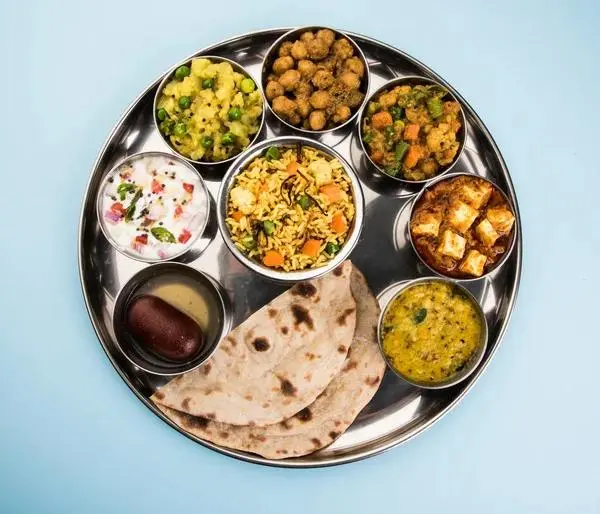
North Indian Food
- Wheat-based breads
- Lentils and dairy products
- Tandoor preparations
- Tomato, onion and yoghurt-based gravies
- Rich curries and stuffed breads
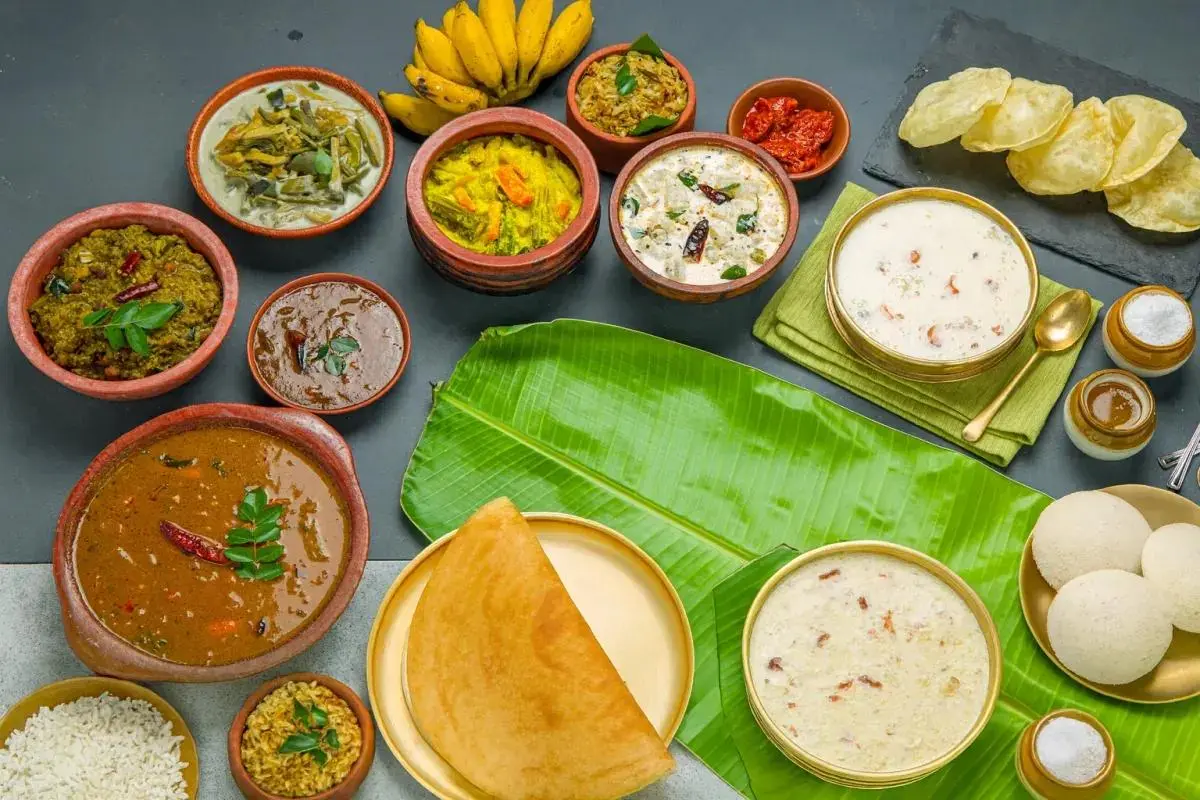
South Indian Food
- Rice-based meals
- Fermented rice-and-lentil batter
- Coconut and tamarind
- Steamed preparations
- Rice, lentil and vegetable combinations
Popular North Indian Dishes
| Dish | Description |
|---|---|
| Butter Chicken | Chicken cooked in a creamy tomato-based gravy. |
| Dal Makhani | Slow-cooked black lentils and kidney beans. |
| Chole Bhature | Spiced chickpeas served with deep-fried bread. |
| Paneer Tikka | Marinated paneer grilled with spices. |
| Sarson da Saag | Mustard greens cooked with other leafy vegetables. |
Popular South Indian Dishes
| Dish | Description |
|---|---|
| Idli | Soft steamed cakes made from fermented rice-and-lentil batter. |
| Dosa | A thin fermented rice-and-lentil pancake. |
| Sambar | A lentil-based vegetable preparation flavoured with tamarind and spices. |
| Appam | A fermented rice pancake with a soft centre and delicate edges. |
| Puttu | Steamed cylinders of rice flour and coconut. |
Which should you try first? If you enjoy breads, creamy curries and tandoor cooking, start with North Indian dishes. If you prefer rice, fermented preparations and coconut-based flavours, explore South Indian cuisine. Both regions offer vegetarian and non-vegetarian choices.
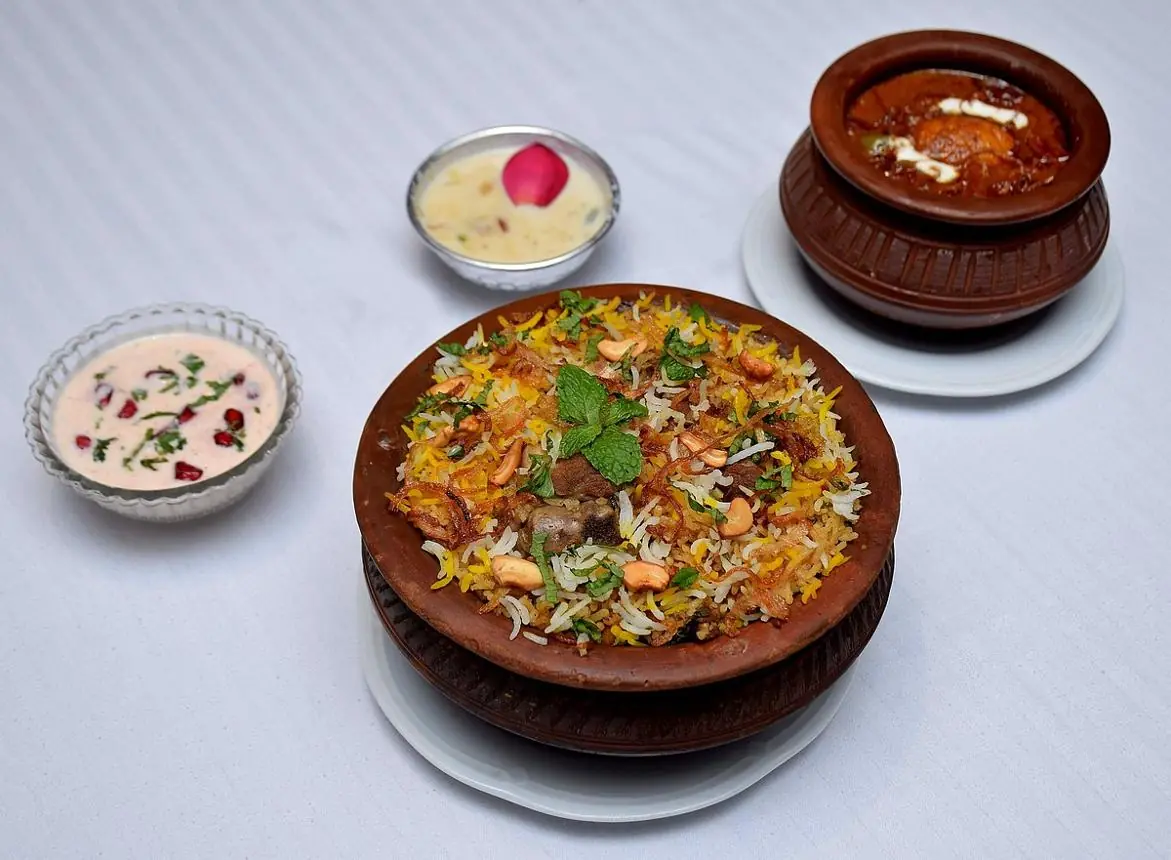
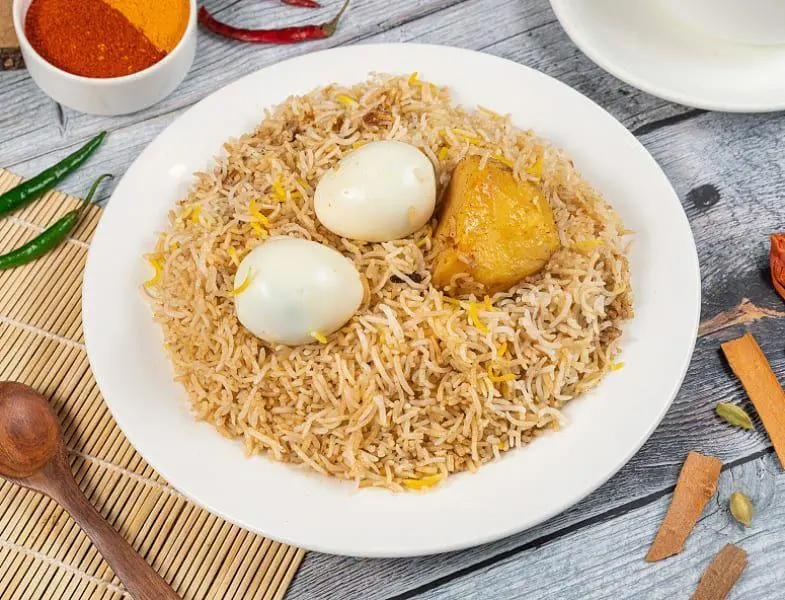
Best Biryani in India: Regional Varieties to Explore
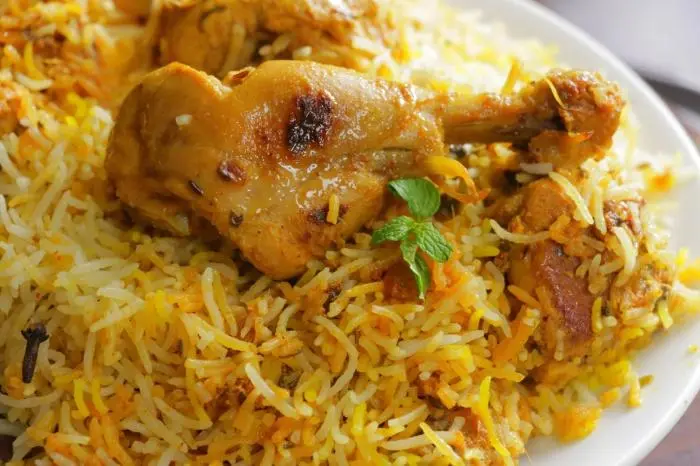
Biryani is among the most recognised rice-based dishes in India. Different regions have developed their own styles using local ingredients, cooking techniques and spice combinations.
There is no universally agreed best biryani. The choice depends on whether you prefer strong spices, delicate aromas, rich meat preparations or distinctive regional ingredients.
| Biryani Style | Region | Distinctive Features |
|---|---|---|
| Hyderabadi Biryani | Hyderabad, Telangana | Known for dum cooking, aromatic spices and layered rice and meat. |
| Awadhi Biryani | Lucknow, Uttar Pradesh | Often associated with delicate aromas and carefully controlled cooking. |
| Kolkata Biryani | Kolkata, West Bengal | Recognised for its distinctive use of potato alongside meat and aromatic rice. |
| Malabar Biryani | Kerala | Uses regional rice varieties in many versions and has distinctive coastal flavours. |
| Dindigul Biryani | Tamil Nadu | Known for its use of seeraga samba rice and a tangy, spiced flavour profile. |
Traveller tip: Try biryani in its associated region rather than assuming every restaurant prepares the same version. Ask whether the dish contains meat stock, ghee or other ingredients if you have dietary restrictions.
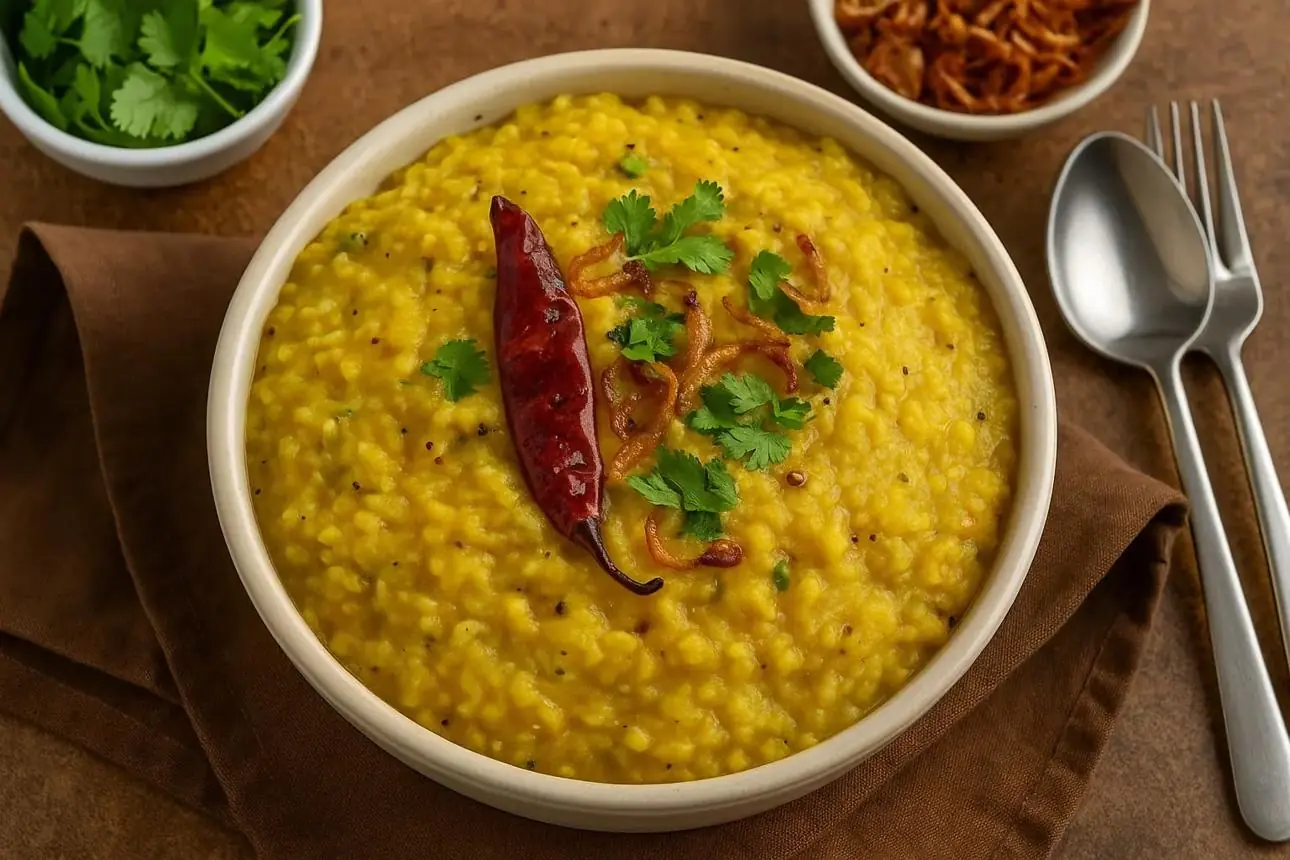
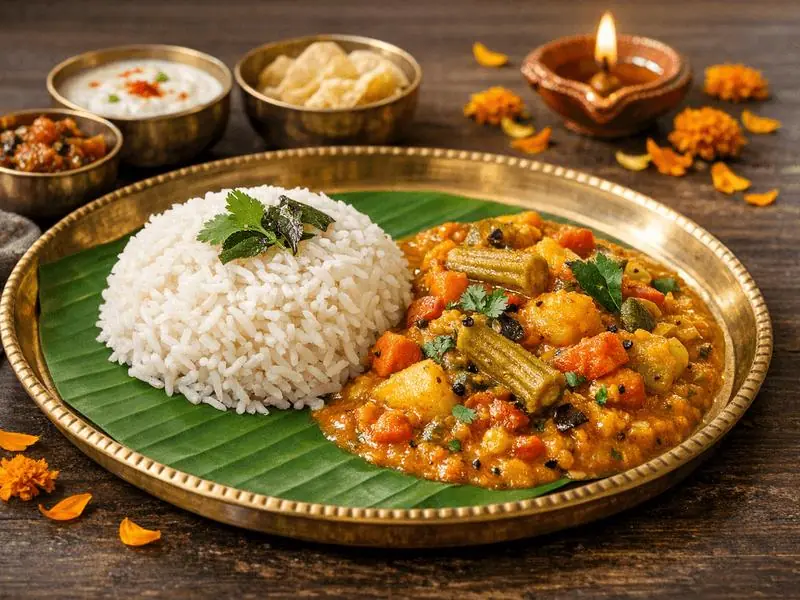
Healthy Indian Food: Traditional Dishes and Balanced Meal Choices
Traditional Indian food includes many preparations made with whole grains, lentils, vegetables, legumes, yoghurt and seasonal ingredients. However, not every traditional dish is automatically healthy. Nutritional value depends on the ingredients, cooking method, serving size and frequency of consumption.
Here are some examples of dishes that can form part of a balanced eating pattern.
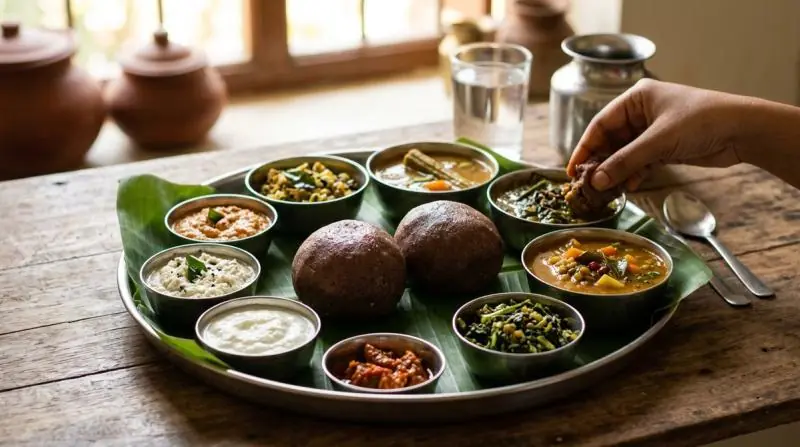
| Dish | Region | Potential Nutritional Benefits |
|---|---|---|
| Moong Dal Khichdi | North and Central India | Combines rice and lentils to provide carbohydrates and plant protein. |
| Idli with Sambar | South India | Provides carbohydrates and some protein, with vegetables and lentils from sambar. |
| Ragi Mudde | Karnataka | Made from finger millet, which provides fibre and minerals. |
| Chana Salad | Across India | Chickpeas provide plant protein and dietary fibre. |
| Dal and Vegetable Sabzi | Across India | Combines pulses and vegetables for a varied meal. |
| Pakhala Bhata | Odisha | A traditional rice preparation often served with vegetable accompaniments. |
How to Make Indian Meals More Balanced
- Include a variety of vegetables in everyday meals.
- Add lentils, chickpeas, beans or other protein sources.
- Choose whole grains such as millet and whole wheat when suitable.
- Avoid relying on deep-fried snacks as regular meals.
- Moderate the amount of salt, sugar, butter and ghee.
- Drink safe, clean water and follow appropriate food hygiene practices.
For travellers, a balanced meal does not mean avoiding regional specialities. It means enjoying different foods in sensible portions and choosing meals that suit individual dietary needs.
How Travellers Can Experience Authentic Indian Food
Exploring authentic Indian food is one of the most rewarding ways to understand local culture. However, visitors unfamiliar with Indian ingredients and cooking styles may find menus confusing at first.
These practical suggestions can make food experiences easier and more enjoyable.
Start with Regional Specialities
Instead of ordering the same popular curry everywhere, try the dish associated with the place you are visiting.
- Delhi: Chole Bhature and Butter Chicken
- Agra: Petha and Mughlai-influenced food
- Jaipur: Dal Baati Churma and Gatte ki Sabzi
- Varanasi: Kachori Sabzi and Banarasi Tamatar Chaat
- Amritsar: Amritsari Kulcha and Punjabi Chole
- Hyderabad: Hyderabadi Biryani
- Kolkata: Macher Jhol and Mishti Doi
| Menu Term | Meaning |
|---|---|
| Veg | Vegetarian preparation |
| Non-Veg | Contains meat, fish or poultry |
| Paneer | Fresh Indian cottage cheese |
| Dal | Lentil preparation |
| Sabzi | Cooked vegetable dish |
| Roti | Flatbread, usually made with wheat flour |
| Thali | A meal served with several dishes together |
| Tandoori | Prepared using a traditional clay oven |
| Masala | A mixture of spices or a seasoned preparation |
| Chutney | A condiment or sauce made from herbs, fruits or other ingredients |
Check Spice Levels Before Ordering
Indian dishes can range from mild and aromatic to very spicy. Ask restaurant staff to prepare a milder version if you are not accustomed to chilli.
Be Careful About Dietary Restrictions
If you are vegetarian, vegan, gluten-free or allergic to specific ingredients, explain your requirements clearly.
Remember that:
- Ghee and butter are common in some vegetarian dishes.
- Yoghurt and cream are used in many curries.
- Some chutneys and gravies contain garlic or onion.
- Fish stock or meat stock may be used in dishes that otherwise appear vegetable-based.
- Cross-contact can occur in shared kitchens.
Follow Basic Food and Water Hygiene
- Choose establishments that maintain good food-handling practices.
- Prefer freshly prepared food served hot.
- Use safe drinking water.
- Be cautious with raw salads and cut fruit if their washing and storage conditions are uncertain.
- Wash or sanitise your hands before eating.
Frequently Asked Questions
This final section answers common questions international travellers may have about Indian cuisine, regional specialities and traditional meals.
1. What is traditional Indian food?
Traditional Indian food refers to dishes and cooking practices that have developed across India’s different regions over generations. It includes rice preparations, wheat breads, lentil curries, vegetable dishes, meat and fish preparations, snacks, sweets and regional specialities. Ingredients and cooking methods vary according to local climate, agriculture and cultural traditions.
2. What is India’s most famous food?
India does not have one universally recognised national dish. However, Butter Chicken, Biryani, Masala Dosa, Chole Bhature, Dal Makhani, Samosa and Tandoori Chicken are among the dishes widely recognised by visitors. Their popularity varies by region and personal taste.
3. What are the 10 most popular Indian dishes?
Some widely recognised popular Indian dishes are:
- Butter Chicken
- Hyderabadi Biryani
- Masala Dosa
- Chole Bhature
- Dal Makhani
- Palak Paneer
- Rogan Josh
- Samosa
- Tandoori Chicken
- Dal Baati Churma
This is a selection of popular dishes, not an official ranking.
4. What is the traditional food of India by state?
Every Indian state has its own regional food traditions. Some well-known examples include:
| State | Famous Traditional Food |
|---|---|
| Andhra Pradesh | Gongura Pachadi and Pesarattu |
| Arunachal Pradesh | Bamboo Shoot Preparations |
| Assam | Masor Tenga |
| Bihar | Litti Chokha |
| Chhattisgarh | Chila and Fara |
| Goa | Goan Fish Curry |
| Gujarat | Dhokla and Undhiyu |
| Haryana | Bajra Khichdi |
| Himachal Pradesh | Siddu and Madra |
| Jharkhand | Dhuska |
| Karnataka | Bisi Bele Bath |
| Kerala | Appam with Stew |
| Madhya Pradesh | Poha and Bhutte Ka Kees |
| Maharashtra | Misal Pav and Vada Pav |
| Manipur | Eromba |
| Meghalaya | Jadoh |
| Mizoram | Bai |
| Nagaland | Smoked Pork with Bamboo Shoot |
| Odisha | Dalma and Pakhala Bhata |
| Punjab | Sarson da Saag with Makki di Roti |
| Rajasthan | Dal Baati Churma |
| Sikkim | Momos and Gundruk |
| Tamil Nadu | Ven Pongal and Chettinad Chicken |
| Telangana | Hyderabadi Biryani |
| Tripura | Chakhwi |
| Uttar Pradesh | Galouti Kebab and Awadhi Biryani |
| Uttarakhand | Kafuli and Chainsoo |
| West Bengal | Shorshe Ilish and Mishti Doi |
5. What is the difference between North Indian food and South Indian food?
North Indian food commonly features wheat-based breads, lentils, dairy products, tandoor cooking and rich gravies. South Indian food more frequently features rice, fermented rice-and-lentil preparations, coconut, tamarind and steamed dishes. However, both regions have extensive culinary diversity and many exceptions.
6. Which Indian food should a first-time visitor try?
First-time visitors can begin with familiar and widely available dishes such as Butter Chicken, Dal Makhani, Masala Dosa, Biryani, Chole Bhature, Paneer Tikka and Indian thali. Trying local specialities in each destination also offers a better understanding of regional cuisine.
7. What is a traditional Indian dinner menu list?
A traditional Indian dinner may include roti or chapati, rice, dal, seasonal vegetable curry, yoghurt, salad and pickle. A non-vegetarian dinner may also include chicken, fish or meat curry. The combination depends on regional customs and household preferences.
8. Which Indian food is suitable for vegetarians?
India has a wide range of vegetarian dishes, including Dal Tadka, Chana Masala, Aloo Paratha, Dhokla, Idli, Dosa, Puttu, Paneer Tikka and vegetable biryani. However, travellers should check ingredients because some apparently vegetarian dishes may contain meat stock or other non-vegetarian ingredients.
9. Is Indian food always spicy?
No. Indian food ranges from mild and lightly seasoned to very hot. Dishes such as some versions of Dal Makhani, Korma, Idli and Appam with Stew can be relatively mild. Travellers can also request less chilli when ordering, although the result depends on the restaurant.
10. What is the best biryani in India?
There is no objective winner. Hyderabadi Biryani is known for its aromatic dum cooking, Awadhi Biryani for its delicate flavours, Kolkata Biryani for its distinctive potato addition and Malabar Biryani for its regional rice and spice combinations. The best choice depends on individual taste.
11. Which Indian dishes are considered healthy?
Dishes such as Moong Dal Khichdi, Idli with Sambar, Ragi Mudde, Chana Salad and dal with vegetables can be part of a balanced diet. Their nutritional value depends on preparation methods, portion sizes and ingredients.
12. What is an Indian thali?
An Indian thali is a meal served with several dishes together, usually on a large plate or individual bowls. Depending on the region, it may include rice, roti, dal, vegetables, curries, chutneys, pickles, yoghurt and dessert. Gujarati Thali, Rajasthani Thali and Kerala Sadya are well-known examples.
13. What are some traditional Indian sweets?
Popular Indian sweets include Gulab Jamun, Jalebi, Rasgulla, Sandesh, Mysore Pak, Kheer, Petha, Ghewar and Chhena Poda. Many are prepared using milk, sugar, flour, nuts or regional ingredients and are associated with festivals and celebrations.
14. What should international travellers know before eating Indian food?
International travellers should check spice levels, food hygiene and ingredients before ordering. People with allergies or dietary restrictions should clearly explain them to restaurant staff. It is also sensible to choose freshly prepared food and safe drinking water, especially when travelling between destinations.
Conclusion: Explore India’s Food Culture One Region at a Time
Traditional Indian food is much more than a collection of famous recipes. It reflects the country’s geography, agriculture, history, communities and everyday traditions. From Rajasthan’s Dal Baati Churma and Punjab’s Sarson da Saag to Kerala’s Sadya and Assam’s Masor Tenga, every region offers distinctive flavours and cooking styles.
This traditional Indian food list covering all 28 states provides a starting point for discovering India’s regional cuisine. Whether you enjoy vegetarian meals, seafood, meat curries, street food or traditional sweets, there is something different to explore in every part of the country.
For international travellers, trying local dishes is also a way to understand the places they visit. Explore regional markets, sample traditional meals and ask local people about the dishes they grew up eating. These experiences can make a journey through India more memorable.
At Crystal India Holidays, we believe that experiencing India’s local food is an important part of discovering its culture. As you explore destinations across India, take time to enjoy regional specialities and authentic local flavours along the way.