
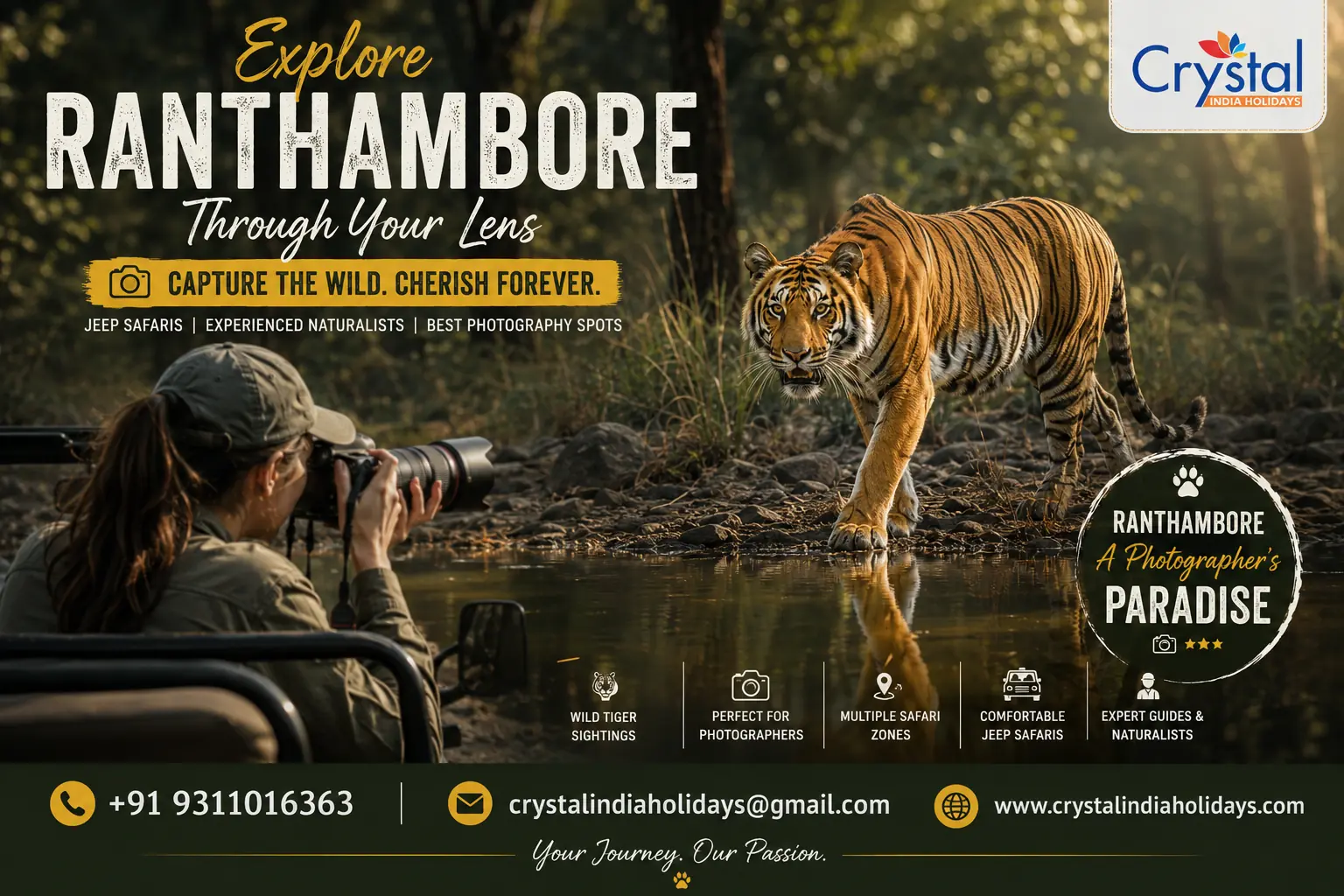
There are many places in India where you can experience incredible wildlife, but few match the excitement of Ranthambore National Park. Located in the northwestern state of Rajasthan, Ranthambore is one of the world’s best destinations to see the majestic Royal Bengal Tiger in its natural habitat.
Unlike many dense forests where wildlife often remains hidden, Ranthambore’s open landscapes, rocky hills, ancient ruins, and peaceful lakes provide excellent opportunities for wildlife sightings and photography. It is one of the few national parks where visitors regularly witness a tiger walking along a forest trail, resting beside a lake, or silently moving through the ruins of a centuries-old fort.
But Ranthambore is much more than a tiger reserve.
The park is home to leopards, sloth bears, striped hyenas, marsh crocodiles, over 300 species of birds, and a rich variety of wildlife that thrives within its protected forests. Towering above the park is the historic Ranthambore Fort, a UNESCO World Heritage Site that offers breathtaking views of the surrounding wilderness.
Whether you’re planning your first safari, traveling with family, exploring India on a Golden Triangle Tour, or simply looking for an unforgettable wildlife adventure, this guide has everything you need to plan your trip with confidence.
At Crystal India Holidays, we’ve helped travelers from the USA, UK, Australia, Europe, and around the world experience the magic of Ranthambore through carefully planned wildlife tours, private safaris, and customized Rajasthan itineraries. Drawing on our local expertise, this guide combines practical travel advice, insider tips, and essential planning information to help you make the most of your visit.
From choosing the best time to visit and understanding safari zones to spotting wildlife and planning your itinerary, you’ll find everything you need to enjoy an unforgettable Ranthambore Tiger Safari.
In this guide, you’ll learn:
- Why Ranthambore is one of India’s top wildlife destinations
- Ranthambore Tiger Reserve
- The best time of year to visit
- How safari bookings work
- Which safari zones offer the best wildlife sightings
- What animals you can expect to see
- Where to stay
- How to reach the park
- Practical travel tips for international visitors
By the end of this guide, you’ll have everything you need to confidently plan an unforgettable Ranthambore safari.
About Ranthambore National Park
Nestled between the ancient Aravalli and Vindhya mountain ranges, Ranthambore National Park covers approximately 1,334 square kilometers (515 square miles), including its core national park and surrounding buffer areas. It is one of India’s most important wildlife conservation areas and forms a vital part of Project Tiger, the country’s flagship tiger conservation program.
The park is located near the town of Sawai Madhopur in Rajasthan, about 180 kilometers (112 miles) from Jaipur and roughly 380 kilometers (236 miles) from Delhi, making it an easy addition to a Rajasthan or Golden Triangle itinerary.
What makes Ranthambore different from many other tiger reserves is its unique landscape. Instead of dense tropical rainforest, you’ll find a dramatic mix of dry deciduous forests, open grasslands, rocky cliffs, ancient banyan trees, sparkling lakes, and centuries-old ruins. This diverse environment supports an incredible variety of wildlife while giving visitors better visibility during safari drives.
Today, Ranthambore is recognized as one of India’s leading destinations for wildlife tourism and conservation. Every year, thousands of travelers, photographers, filmmakers, and nature enthusiasts visit the park hoping to experience one of its unforgettable tiger sightings.
A Brief History of Ranthambore
Long before it became a protected wildlife reserve, Ranthambore served as a royal hunting ground for the Maharajas of Jaipur. During the 19th and early 20th centuries, tiger hunting was considered a symbol of prestige among royal families and visiting dignitaries.
As tiger numbers declined across India, conservation efforts became increasingly important.
In 1955, the area received protected status as the Sawai Madhopur Game Sanctuary. In 1973, it became one of the first reserves included under Project Tiger, a nationwide initiative launched by the Government of India to protect the country’s rapidly declining tiger population.
Just seven years later, in 1980, the core forest was officially declared Ranthambore National Park, providing stronger legal protection for wildlife and their habitats.
These conservation efforts transformed Ranthambore into one of India’s greatest wildlife success stories. Today, the park supports a healthy and growing tiger population and is widely recognized as one of the best places in Asia to observe wild tigers responsibly.
Why Is Ranthambore Famous?
Many wildlife reserves in India are beautiful, but Ranthambore offers a combination of experiences that is difficult to find anywhere else.
One of the Best Places to See Wild Tigers
The park is internationally known for its healthy tiger population and relatively high chances of sightings compared to many other reserves.
While no safari can guarantee seeing a tiger, Ranthambore’s open terrain gives visitors an excellent opportunity to observe these magnificent cats in their natural environment.
Watching a tiger emerge from the forest, cross a dusty trail, or drink from one of the park’s lakes is an unforgettable experience that draws wildlife lovers from around the world.
Incredible Wildlife Photography
Ranthambore is considered one of India’s premier wildlife photography destinations.
Unlike heavily forested parks where animals remain hidden behind thick vegetation, Ranthambore’s open landscapes provide clearer views and better lighting conditions.
Photographers often capture remarkable images of:
- Tigers walking beside lakes
- Leopards resting on rocky cliffs
- Crocodiles sunbathing near the water
- Colorful birds in flight
- Deer grazing against the backdrop of ancient ruins
Even amateur photographers can return home with spectacular wildlife photographs.
Ancient Forts and Historic Ruins
One of Ranthambore’s most distinctive features is the presence of centuries-old architecture within the national park itself.
The impressive Ranthambore Fort, built during the 10th century, stands atop a hill overlooking the forest. Inside the park, visitors will also discover abandoned temples, hunting lodges, gateways, and stone pavilions that blend seamlessly into the surrounding wilderness.
These historic structures create a unique atmosphere rarely found in other national parks and add a fascinating cultural dimension to your safari experience.
A Rich Diversity of Wildlife
Although tigers are the main attraction, Ranthambore protects an entire ecosystem filled with remarkable wildlife.
Visitors may encounter:
- Leopards
- Sloth bears
- Striped hyenas
- Jackals
- Nilgai (Asia’s largest antelope)
- Sambar deer
- Chital (spotted deer)
- Wild boar
- Langurs
- Marsh crocodiles
- Indian pythons
- More than 300 species of resident and migratory birds
Every safari is different, making each visit a unique adventure.
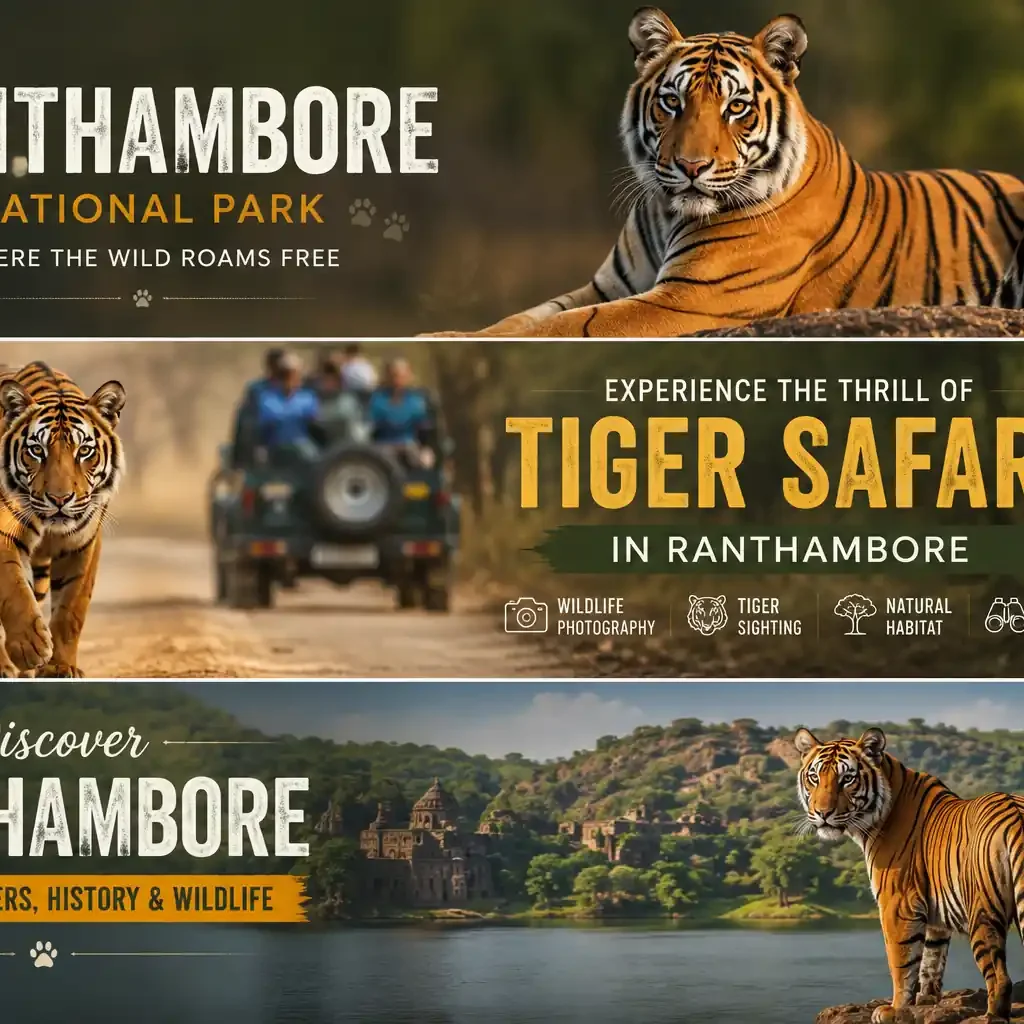
Ranthambore Tiger Reserve: India’s Iconic Home of the Royal Bengal Tiger
When people think of wildlife in India, one image often comes to mind—a majestic Royal Bengal Tiger walking through the forest. While India is home to more than 50 tiger reserves, Ranthambore Tiger Reserve stands out as one of the most famous and rewarding places to see these magnificent big cats in the wild.
Located in the Sawai Madhopur district of Rajasthan, Ranthambore Tiger Reserve is one of India’s most celebrated conservation success stories. Its unique combination of dry deciduous forests, rocky hills, ancient ruins, open grasslands, and scenic lakes creates a landscape unlike any other tiger reserve in the country.
Unlike dense tropical forests where wildlife can remain hidden for hours, Ranthambore’s open terrain offers visitors a better chance of spotting animals. Watching a tiger emerge from behind centuries-old ruins or stroll along the edge of a peaceful lake is an unforgettable experience that attracts wildlife enthusiasts, photographers, filmmakers, and nature lovers from around the world.
Today, the reserve welcomes thousands of visitors each year while continuing to play a vital role in protecting one of the world’s most endangered predators.
What Is Ranthambore Tiger Reserve?
Many travelers assume that Ranthambore National Park and Ranthambore Tiger Reserve are the same place. Although closely connected, they are not identical.
Ranthambore National Park is the core protected area where most tourist safaris take place. This is where visitors spend their mornings and evenings searching for tigers, leopards, deer, crocodiles, and hundreds of bird species.
The Ranthambore Tiger Reserve is much larger. It includes the national park along with surrounding buffer forests, wildlife sanctuaries, and protected habitats. Together, these areas cover approximately 1,334 square kilometers (515 square miles).
The buffer zones are just as important as the core park. They provide extra space for tigers to hunt, breed, establish territories, and move safely between different parts of the forest. Without these protected landscapes, the long-term survival of tigers would be much more difficult.
This larger ecosystem supports not only Bengal tigers but also countless other animals and plants that depend on healthy forests for survival.
A Brief History of Ranthambore Tiger Reserve
The forests of Ranthambore have a long and fascinating history.
Centuries ago, this region served as a royal hunting ground for the Maharajas of Jaipur. Hunting large animals, including tigers, was once considered a symbol of prestige among royal families and visiting dignitaries.
As tiger populations declined across India during the 20th century, the need for conservation became increasingly urgent.
In 1955, the area was declared the Sawai Madhopur Game Sanctuary, giving it legal protection from excessive hunting.
A major turning point came in 1973, when the Government of India launched Project Tiger, one of the world’s most ambitious wildlife conservation programs. Ranthambore was selected as one of the original tiger reserves under this initiative because of its rich biodiversity and strategic importance for tiger conservation.
In 1980, the core area received additional protection and became Ranthambore National Park.
Since then, decades of conservation work, habitat restoration, anti-poaching patrols, and community involvement have helped transform Ranthambore into one of India’s greatest wildlife success stories.
Why Is Ranthambore Tiger Reserve So Important?
The Royal Bengal Tiger is an apex predator, meaning it sits at the top of the food chain. A healthy tiger population is often a sign that the entire forest ecosystem is thriving.
By protecting tigers, conservationists also protect forests, rivers, grasslands, and hundreds of other species that share the same habitat.
Ranthambore Tiger Reserve plays an important role in:
- Conserving Bengal tigers and their natural habitat.
- Protecting endangered wildlife species.
- Preserving forests that support biodiversity.
- Promoting sustainable wildlife tourism.
- Supporting local communities through eco-tourism.
- Educating visitors about wildlife conservation.
Every safari booked by visitors contributes to conservation efforts, park management, local employment, and environmental protection.
Landscape and Habitat
One reason Ranthambore is so unique is its dramatic landscape.
Instead of dense rainforests, visitors explore a fascinating mix of:
- Dry deciduous forests
- Rocky cliffs
- Open meadows
- Grasslands
- Seasonal streams
- Ancient banyan trees
- Scenic lakes
- Historic ruins
These different habitats provide food, shelter, and water for a wide variety of wildlife.
Famous lakes such as Padam Talao, Rajbagh Talao, and Malik Talao are especially important during the hot summer months, when many animals gather near the water to drink.
This variety of landscapes also makes every safari feel different.
Wildlife Beyond Tigers
Although the tiger is the park’s biggest attraction, Ranthambore Tiger Reserve protects an entire ecosystem filled with fascinating wildlife.
Visitors may encounter:
Mammals
- Royal Bengal Tiger
- Indian Leopard
- Sloth Bear
- Striped Hyena
- Golden Jackal
- Jungle Cat
- Nilgai (Blue Bull)
- Sambar Deer
- Chital (Spotted Deer)
- Wild Boar
- Indian Hare
Reptiles
- Marsh Crocodile (Mugger)
- Indian Python
- Monitor Lizard
- Cobra
- Rat Snake
Birds
More than 300 bird species have been recorded within the reserve, including:
- Indian Peafowl
- Crested Serpent Eagle
- Painted Stork
- Kingfisher
- Owl Species
- Woodpeckers
- Herons
- Egrets
- Parakeets
- Bee-eaters
Because of this incredible biodiversity, Ranthambore is a favorite destination for wildlife photographers and birdwatchers alike.
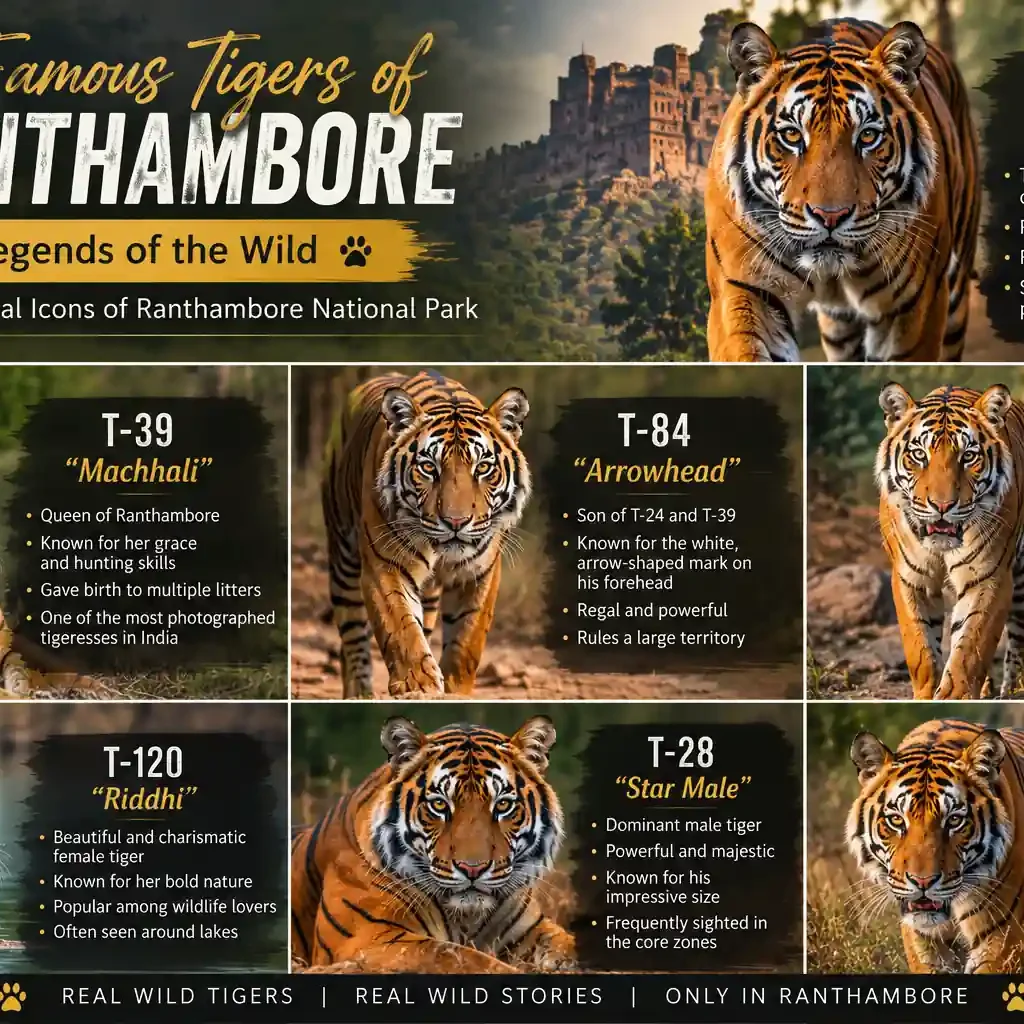
Famous Tigers of Ranthambore
Over the years, several tigers from Ranthambore have become famous around the world.
Perhaps the most legendary was Machli (T-16), often called the “Queen of Ranthambore.” She became one of the world’s most photographed wild tigers and was admired for her hunting skills, long life, and ability to raise multiple litters of cubs. Her story inspired wildlife documentaries and introduced millions of people to Ranthambore.
Other well-known tigers, including Arrowhead (T-84) and Riddhi (T-124), have also become favorites among wildlife photographers and visitors. Their sightings continue to highlight the reserve’s success in tiger conservation.
Every tiger has a unique territory and personality, making each safari an exciting and unpredictable experience.
Conservation Success Story
Ranthambore Tiger Reserve is widely regarded as one of India’s most successful wildlife conservation projects.
Over the years, improved habitat management, anti-poaching measures, scientific monitoring, and community participation have helped increase tiger numbers while protecting the reserve’s delicate ecosystem.
Forest officials regularly monitor tiger movements using camera traps, GPS data, and field observations. These efforts help researchers understand animal behavior, identify breeding females, and maintain a healthy balance between predators and prey.
Local communities also play an important role by supporting eco-tourism, conservation education, and sustainable livelihoods linked to the reserve.
Why Every Nature Lover Should Visit Ranthambore Tiger Reserve
A visit to Ranthambore Tiger Reserve is much more than a safari. It is an opportunity to experience one of India’s most successful conservation landscapes and witness wildlife behaving naturally in a protected environment.
Whether you’re hoping to photograph a Royal Bengal Tiger, enjoy peaceful mornings surrounded by birdsong, explore ancient forts hidden within the forest, or simply reconnect with nature, Ranthambore offers an unforgettable experience.
For international travelers exploring India’s famous Golden Triangle or anyone interested in wildlife, Ranthambore Tiger Reserve is a destination that combines adventure, history, and conservation in one remarkable journey.
Every visit supports the ongoing protection of this extraordinary ecosystem, helping ensure that future generations can continue to experience the magic of seeing a wild tiger roam free in its natural home.
Best Time to Visit Ranthambore National Park
Month-wise Ranthambore Travel Guide
| Month | Average Temperature | Safari Experience | Tiger Sighting Chance | Crowd Level | Best For |
| October | 18°C – 32°C (64°F – 90°F) | Park reopens after the monsoon with lush green forests and fresh landscapes. | ⭐⭐⭐☆☆ Moderate | Low to Moderate | Nature lovers, first-time visitors, landscape photography |
| November | 14°C – 30°C (57°F – 86°F) | Pleasant weather with improved wildlife visibility and comfortable safaris. | ⭐⭐⭐⭐☆ Good | Moderate | Families, international travelers, birdwatchers |
| December | 8°C – 26°C (46°F – 79°F) | Peak tourist season with cool mornings and excellent safari conditions. | ⭐⭐⭐⭐☆ Good | High | Holiday vacations, families, photographers |
| January | 7°C – 25°C (45°F – 77°F) | Cold mornings, pleasant afternoons, and excellent birdwatching opportunities. | ⭐⭐⭐⭐☆ Good | High | Birdwatching, wildlife enthusiasts, family trips |
| February | 12°C – 30°C (54°F – 86°F) | Comfortable temperatures and thinning vegetation improve animal visibility. | ⭐⭐⭐⭐☆ Good | Moderate to High | Couples, photographers, first-time visitors |
| March | 18°C – 35°C (64°F – 95°F) | Warmer weather increases wildlife activity around water sources. | ⭐⭐⭐⭐☆ Very Good | Moderate | Wildlife lovers, safari enthusiasts |
| April | 24°C – 39°C (75°F – 102°F) | Dry conditions make tiger sightings more frequent near lakes and waterholes. | ⭐⭐⭐⭐⭐ Excellent | Moderate | Tiger photography, serious wildlife travelers |
| May | 28°C – 42°C (82°F – 108°F) | Hottest month but offers the highest chance of spotting a Bengal tiger. | ⭐⭐⭐⭐⭐ Excellent | Low to Moderate | Professional photographers, repeat visitors |
| June | 30°C – 43°C (86°F – 109°F) | Early June provides good safari experiences before the monsoon begins. | ⭐⭐⭐⭐☆ Very Good | Low | Budget travelers, wildlife enthusiasts |
| July | 26°C – 35°C (79°F – 95°F) | Most core safari zones remain closed due to the monsoon season. | ⭐☆☆☆☆ Very Low | Very Low | Nature lovers (buffer zones only, if open) |
| August | 25°C – 33°C (77°F – 91°F) | Lush greenery returns, but core safaris are generally unavailable. | ⭐☆☆☆☆ Very Low | Very Low | Off-season travelers |
| September | 24°C – 34°C (75°F – 93°F) | The park prepares to reopen, and forests remain fresh after the rains. | ⭐⭐☆☆☆ Low | Low | Planning for the upcoming safari season |
One of the most common questions travelers ask is, “When is the best time to visit Ranthambore?”
The answer depends on what you want from your trip. Some visitors hope to see a tiger, while others prefer pleasant weather, birdwatching, or photography.
Ranthambore National Park is generally open from October to June, while most core safari zones remain closed during the monsoon season from July through September. Some buffer zones may stay open depending on weather conditions and forest department regulations.
Each season offers a different experience, so choosing the right time can make a big difference.
Best Time to Visit Ranthambore by Season
| Season | Months | Weather | Wildlife Sightings | Recommended For |
| Winter | October to February | Cool and comfortable | Good | Families, first-time visitors, photographers |
| Summer | March to June | Hot and dry | Excellent | Tiger sightings, wildlife enthusiasts |
| Monsoon | July to September | Rainy | Limited | Nature lovers and off-season travelers |
Visiting During Winter (October to February)
Winter is the most popular time to visit Ranthambore. Daytime temperatures usually range between 68°F and 82°F (20°C to 28°C), making safari drives comfortable and enjoyable.
The forest is greener after the monsoon rains, lakes are full of water, and the cooler weather attracts many visitors from around the world.
This season is ideal if you are:
- Visiting India for the first time
- Traveling with children or older family members
- Looking for comfortable weather
- Interested in birdwatching
- Combining Ranthambore with Delhi, Agra, and Jaipur
Although tiger sightings are still common, animals have plenty of water available throughout the park. This means they may not gather around lakes and waterholes as often as they do during summer.
Even so, winter offers beautiful landscapes and excellent overall safari experiences.
Average Temperature
- Day: 68°F – 82°F (20°C – 28°C)
- Night: 45°F – 55°F (7°C – 13°C)
Visiting During Summer (March to June)
If your dream is to see a wild tiger, summer is often considered the best season.
Temperatures can rise above 104°F (40°C), but the dry weather creates ideal conditions for wildlife viewing.
As natural water sources begin to dry up, animals gather around the remaining lakes and watering holes. Tigers frequently visit these areas to drink, cool off, and rest in the shade.
This predictable behavior increases your chances of seeing wildlife during safari drives.
Summer is highly recommended for:
- Wildlife photographers
- Serious nature enthusiasts
- Repeat visitors
- Travelers whose main goal is tiger sightings
While the afternoons can be extremely hot, early morning safaris remain pleasant and often provide the best opportunities for wildlife encounters.
If you visit during summer, remember to:
- Wear light-colored cotton clothing
- Carry plenty of drinking water
- Use sunscreen and sunglasses
- Wear a wide-brim hat
- Bring a camera with extra batteries
The heat may be intense, but many travelers believe it is worth it for the incredible wildlife experiences.
Visiting During the Monsoon (July to September)
During the monsoon, heavy rainfall transforms Ranthambore into a lush green landscape.
However, most core safari zones close because muddy roads become difficult to access and wildlife conservation takes priority.
Depending on rainfall and official regulations, a few buffer zones may remain open, but safari options are more limited.
Unless you specifically enjoy rainy-season landscapes or have visited Ranthambore before, this is generally not the best time for a first trip.
Month-by-Month Travel Guide
Choosing the right month can make planning easier.
October
The park reopens after the monsoon.
Fresh greenery covers the forest, temperatures are pleasant, and wildlife slowly becomes more active.
Best for: Scenic landscapes and comfortable weather.
November
One of the best months for international visitors.
Clear skies, mild temperatures, and excellent photography conditions make November a favorite among travelers.
December
December is the busiest month because of holiday travel.
Expect larger crowds, so safari permits should be booked several months in advance.
January
Cool mornings create beautiful misty landscapes.
This is an excellent month for birdwatching and family vacations.
February
The weather remains comfortable, while vegetation slowly becomes thinner, improving wildlife visibility.
March
Wildlife activity increases as temperatures begin to rise.
This month offers a great balance between comfortable weather and improved tiger sightings.
April
April is considered one of the best months for tiger photography.
Dry forests and shrinking water sources encourage animals to stay near lakes and ponds.
May
Despite the intense heat, May offers some of the highest chances of seeing a tiger.
Many professional wildlife photographers choose this month for that reason.
June
Early June still provides excellent safari opportunities before the monsoon arrives.
Toward the end of the month, some safari operations may begin changing depending on weather conditions.
Ranthambore Safari Guide
A safari is the highlight of every visit to Ranthambore National Park.
Unlike a zoo, there are no fixed routes or guaranteed sightings. Every safari is a unique adventure where experienced guides and drivers track wildlife using fresh footprints, alarm calls from deer and monkeys, and their knowledge of tiger territories.
Each safari lasts approximately three to three and a half hours, giving visitors enough time to explore different parts of the forest.
There are two safari sessions each day:
- Morning Safari: Starts shortly after sunrise.
- Afternoon Safari: Begins in the late afternoon and ends before sunset.
Exact timings change throughout the year because sunrise and sunset vary by season.
Morning safaris are often cooler and offer soft light for photography, while afternoon safaris can be excellent for spotting tigers resting near water during warmer months.
The truth is that neither session guarantees better sightings. Wildlife movements change daily, and every safari is different.
Jeep Safari vs. Canter Safari
Ranthambore offers two main safari vehicles.
Jeep Safari
A Jeep Safari is the most popular option.
Each open-air vehicle carries up to six visitors plus a trained guide and driver.
Advantages
- Smaller group size
- More comfortable ride
- Better photography angles
- Easier to navigate narrow forest tracks
- More personal experience
Jeep safaris are ideal for couples, families, wildlife photographers, and travelers who prefer a quieter safari.
Canter Safari
A Canter is a larger open vehicle that usually carries around 20 visitors.
It offers a more affordable option and is suitable for solo travelers or larger groups.
Advantages
- Lower cost
- Good for budget travelers
- Easy to book during busy seasons
- Great for meeting other travelers
While the experience is still enjoyable, photography can be slightly more challenging because of the larger number of passengers.
Which Safari Should You Choose?
If your budget allows, a Jeep Safari is generally the better choice.
The smaller vehicle provides more comfort, better visibility, and a more intimate wildlife experience.
However, a Canter Safari is still an excellent way to explore the park and offers the same opportunity to see tigers and other wildlife.
Remember, the safari zone, guide, timing, and a little luck matter much more than the type of vehicle.
Ranthambore Safari Zones Explained
One of the most confusing parts of planning a safari is understanding the different safari zones.
Ranthambore National Park is divided into 10 safari zones, each offering a unique landscape, wildlife habitat, and safari experience. Every safari vehicle is assigned a specific zone by the Forest Department, and visitors cannot switch zones after booking.
Many first-time visitors believe that only Zones 1 to 5 are worth visiting. While these zones have been popular for years, the newer zones have also developed into excellent wildlife areas.
The truth is simple:
Every safari zone offers the possibility of seeing a tiger. Wildlife moves freely throughout the reserve, and no zone can guarantee a sighting.
Let’s explore what makes each zone unique.
Zone 1
Zone 1 is one of the oldest and most famous safari areas in Ranthambore.
It features rugged hills, dry forests, rocky terrain, and several scenic viewpoints. Because this zone has been protected for decades, it supports a healthy population of wildlife.
Many experienced guides consider Zone 1 an excellent choice for photographers due to its dramatic landscapes.
Best For
- Tiger sightings
- Wildlife photography
- Experienced visitors
Zone 2
Zone 2 combines open grasslands with dense forest patches, making it a favorite habitat for deer, wild boar, langurs, and predators.
This zone has produced many memorable tiger sightings over the years.
Visitors often enjoy beautiful views of valleys and rocky cliffs while driving through this section of the park.
Best For
- First-time visitors
- Scenic safari drives
- Birdwatching
Zone 3
Zone 3 is among the most photographed areas inside Ranthambore.
The famous Padam Talao, Rajbagh Lake, and ancient Rajbagh Ruins are located here, creating one of the most beautiful safari landscapes in India.
Seeing a tiger walking beside a lake with historic ruins in the background is one of the iconic images associated with Ranthambore.
Besides tigers, crocodiles, deer, and numerous bird species are frequently spotted around the lakes.
Highlights
- Padam Talao
- Rajbagh Ruins
- Lakeside wildlife
- Excellent photography opportunities
Zone 4
Zone 4 is known for its mix of forests, open areas, and ancient temples.
Because of its varied landscape, visitors often encounter different species during a single safari.
This zone provides excellent opportunities to observe herbivores such as sambar deer and nilgai, which naturally attract larger predators.
Best For
- Wildlife diversity
- Landscape photography
- Family safaris
Zone 5
Zone 5 is another popular safari area with beautiful lakes, forest trails, and rocky hills.
It is often recommended for visitors hoping to see both wildlife and historic landmarks during the same safari.
Many guides appreciate this zone because animal activity remains consistent throughout much of the year.
Zone 6
Zone 6 is part of the newer safari areas that have become increasingly popular in recent years.
Although it receives fewer visitors than the older zones, it offers peaceful forest drives and a less crowded safari experience.
Several tigers have established territories here, making it a rewarding option for patient wildlife enthusiasts.
Zone 7
Zone 7 features dry deciduous forests, rolling hills, and open meadows.
The quieter environment makes it attractive for birdwatching and nature photography.
Visitors may also spot leopards, striped hyenas, jackals, and various deer species while exploring this zone.
Zone 8
Zone 8 is known for its peaceful atmosphere and diverse wildlife.
Because visitor numbers are generally lower, many travelers enjoy a more relaxed safari experience.
The changing landscape includes forest trails, rocky outcrops, and seasonal water bodies that attract many animals.
Zone 9
Zone 9 has gained popularity as tiger populations have expanded throughout the reserve.
It offers excellent opportunities to observe herbivores and smaller predators, while tiger sightings have become increasingly common over the past several years.
The combination of open terrain and forest cover creates a balanced safari experience.
Zone 10
Zone 10 is one of the newest safari areas within Ranthambore Tiger Reserve.
Although it was introduced later than the original zones, it now supports healthy wildlife populations and provides visitors with a quieter alternative to the more crowded core zones.
For travelers planning multiple safaris, Zone 10 offers a fresh landscape and different wildlife viewing opportunities.
Which Safari Zone Is Best?
There is no single “best” safari zone.
Tiger movements change throughout the year, and forest officials assign safari vehicles based on availability rather than personal preference.
Instead of focusing only on one zone, consider booking multiple safaris.
Each safari gives you a new chance to explore a different part of the park, increasing your opportunities to see wildlife and experience the incredible variety of Ranthambore’s landscapes.
Many wildlife photographers book three or four safaris during a two- or three-day visit because every drive offers a completely different experience.
How to Book a Ranthambore Safari
Planning ahead is one of the most important steps when visiting Ranthambore National Park.
Safari permits are limited, and popular travel periods such as Christmas, New Year, spring holidays, and long weekends often sell out weeks or even months in advance.
If your travel dates are fixed, book your safari as early as possible.
Step 1: Choose Your Travel Dates
Before booking, decide:
- How many days you will stay
- How many safaris you want to take
- Morning or afternoon safari
- Jeep or Canter safari
Many travelers choose at least two safaris because each safari explores a different part of the park and increases the chances of wildlife sightings.
Step 2: Select Your Safari Vehicle
You can choose between:
Jeep Safari
- Seats up to six visitors
- Comfortable
- Excellent for photography
- Ideal for families and couples
Canter Safari
- Seats around twenty visitors
- Budget-friendly
- Popular with solo travelers and larger groups
Both vehicles follow official safari routes and are accompanied by trained guides.
Step 3: Keep Your Identification Ready
When booking a safari, every visitor must provide valid identification.
International travelers can use their passport, while Indian visitors typically use a government-issued photo ID.
The same identification document should be carried during the safari, as forest officials may verify it before entry.
Step 4: Confirm Your Booking
After your booking is confirmed, you’ll receive your safari details, including:
- Safari date
- Reporting time
- Assigned safari zone
- Vehicle information
- Entry gate details
Arrive at the reporting point at least 30 to 45 minutes before departure to allow time for document verification and vehicle allocation.
Tips to Increase Your Chances of Seeing a Tiger
No ethical wildlife park can promise a tiger sighting.
Tigers are wild animals, and their movements depend on weather, prey availability, and natural behavior.
However, these tips can improve your overall safari experience:
- Book more than one safari.
- Visit between March and June if tiger sightings are your top priority.
- Listen carefully to your guide – they know the park well.
- Stay quiet during the safari to avoid disturbing wildlife.
- Bring binoculars for spotting distant animals.
- Be patient and enjoy the entire ecosystem, not just the tigers.
Many visitors arrive hoping to see only a tiger but leave with unforgettable memories of leopards, crocodiles, colorful birds, ancient ruins, and breathtaking landscapes.
Wildlife You Can Spot in Ranthambore National Park
Although Ranthambore is famous for its Bengal tigers, the park is home to a remarkable variety of wildlife. Every safari is different, and you never know what you might encounter around the next bend.
Here are some of the animals commonly seen during a safari:
| Mammals | Birds | Reptiles |
| Royal Bengal Tiger | Indian Peafowl (Peacock) | Marsh Crocodile |
| Leopard | Crested Serpent Eagle | Indian Python |
| Sloth Bear | Painted Stork | Monitor Lizard |
| Striped Hyena | Kingfisher | Garden Lizard |
| Golden Jackal | Owl Species | Turtles |
| Nilgai (Blue Bull) | Parakeets | Various Snakes |
| Sambar Deer | Woodpeckers | |
| Chital (Spotted Deer) | Herons | |
| Wild Boar | Egrets | |
| Hanuman Langur | Bee-eaters |
Birdwatchers will especially enjoy visiting during winter, when many migratory birds arrive from Central Asia and Europe. If you enjoy wildlife photography, keep a telephoto lens handy – you may spot everything from colorful kingfishers to soaring eagles.
Top Places to Visit in and Around Ranthambore
A safari is the highlight of any trip, but there is much more to explore around Ranthambore.
Ranthambore Fort
Standing proudly above the forest, Ranthambore Fort is one of Rajasthan’s most impressive hill forts and a UNESCO World Heritage Site.
Built in the 10th century, the fort offers panoramic views of the surrounding forests, lakes, and valleys. Walking through its ancient gates, temples, and stone pathways feels like stepping back in time.
If you’re lucky, you may even spot wildlife on the road leading up to the fort.
Padam Talao
Padam Talao is the largest lake inside Ranthambore National Park and one of the best places for wildlife viewing.
Tigers, crocodiles, deer, and numerous bird species are often seen around its shores, especially during the warmer months.
The peaceful scenery also makes it a favorite location for photographers.
Rajbagh Ruins
Hidden among the forest are the beautiful Rajbagh Ruins, where abandoned palaces and stone arches have slowly been reclaimed by nature.
The combination of historic architecture and wild landscapes creates one of the most iconic views in Ranthambore.
Trinetra Ganesh Temple
Located inside Ranthambore Fort, this centuries-old temple attracts both pilgrims and tourists throughout the year.
Many visitors combine a trip to the fort with a visit to this sacred temple.
Kachida Valley
Located on the edge of the park, Kachida Valley is known for its rocky terrain and rich wildlife.
Although tiger sightings are less frequent here, visitors often see leopards, antelope, and a wide variety of birds.
Where to Stay in Ranthambore
Choosing the right accommodation depends on your travel style and budget.
Fortunately, Ranthambore offers everything from luxury wildlife resorts to affordable family hotels.
Luxury Resorts
Perfect for travelers looking for premium comfort and personalized service.
These properties often include:
- Spacious rooms or luxury tents
- Swimming pools
- Spa treatments
- Fine dining restaurants
- Guided nature walks
- Private safari arrangements
Luxury resorts are ideal for honeymooners, photographers, and international travelers seeking a complete wildlife experience.
Mid-Range Hotels
Mid-range hotels offer excellent value for money and are suitable for most visitors.
Many provide:
- Comfortable air-conditioned rooms
- Restaurant facilities
- Safari booking assistance
- Transportation services
- Family-friendly amenities
They are a great option if you want comfort without paying luxury prices.
Budget Hotels and Guesthouses
Budget accommodations are available throughout Sawai Madhopur.
They are popular with backpackers, solo travelers, and visitors planning multiple safaris.
While facilities are simpler, many offer clean rooms, friendly service, and convenient access to the park.
How to Reach Ranthambore National Park
Despite its wilderness setting, Ranthambore is surprisingly easy to reach.
By Air
The nearest airport is Jaipur International Airport (JAI), located approximately 180 kilometers (112 miles) from the park.
From Jaipur, travelers can reach Ranthambore in about 3 to 4 hours by private car or train.
International visitors usually arrive via Delhi before connecting to Jaipur or traveling directly by train.
By Train
The closest railway station is Sawai Madhopur Junction, located only a few kilometers from the national park.
Direct trains operate from several major Indian cities, including:
- Delhi
- Jaipur
- Agra
- Mumbai
For many travelers, the train is one of the most convenient ways to reach Ranthambore.
By Road
Well-maintained highways connect Ranthambore with many popular tourist destinations.
Approximate driving times:
| City | Distance | Travel Time |
| Jaipur | 180 km | 3 – 4 Hours |
| Delhi | 380 km | 6 – 7 Hours |
| Agra | 260 km | 5 Hours |
| Udaipur | 400 km | 7 Hours |
Many travelers include Ranthambore as part of a Golden Triangle Tour, combining Delhi, Agra, Jaipur, and a tiger safari into one unforgettable journey.
Suggested 2-Day Ranthambore Itinerary
Day 1
- Arrive in Ranthambore
- Check into your hotel
- Enjoy lunch and relax
- Afternoon Jeep Safari
- Dinner at the resort
Day 2
- Early Morning Safari
- Breakfast
- Visit Ranthambore Fort
- Explore local markets
- Depart for Jaipur or Delhi
If your schedule allows, staying three days gives you enough time to enjoy three or four safaris, significantly increasing your chances of memorable wildlife sightings.
Essential Travel Tips
Before visiting Ranthambore National Park, keep these practical tips in mind.
Wear Neutral-Colored Clothing
Choose shades like green, brown, beige, or gray.
Bright colors may disturb wildlife and are generally discouraged during safaris.
Carry Sun Protection
Even during winter, the Rajasthan sun can be strong.
Bring:
- Sunscreen
- Sunglasses
- A wide-brim hat
- Lip balm
Pack the Right Camera Gear
A zoom lens between 200mm and 400mm is ideal for wildlife photography.
Don’t forget:
- Extra batteries
- Memory cards
- Lens cleaning cloth
Arrive Early
Reach the safari gate at least 30 to 45 minutes before departure.
This helps avoid unnecessary stress and allows enough time for document verification.
Respect Wildlife
Remember that you are visiting the animals’ natural home.
Always:
- Stay inside your vehicle.
- Avoid loud conversations.
- Never feed wildlife.
- Follow your guide’s instructions.
- Leave no litter behind.
Responsible tourism helps protect Ranthambore for future generations.
Frequently Asked Questions
Is Ranthambore worth visiting?
Absolutely. Ranthambore is considered one of India’s best wildlife destinations and offers excellent opportunities to see Royal Bengal Tigers in their natural habitat.
How many safaris should I book?
Two safaris are recommended for first-time visitors, while three or four safaris provide better chances of spotting a tiger.
Can children join a safari?
Yes. Families with children regularly visit Ranthambore. Parents should ensure children remain quiet during the safari to avoid disturbing wildlife.
Is seeing a tiger guaranteed?
No. Tigers are wild animals, and no national park can guarantee a sighting. However, Ranthambore is widely regarded as one of the best places in India for tiger spotting.
Which safari is better – morning or afternoon?
Both offer excellent wildlife viewing opportunities. Morning safaris provide cooler temperatures and soft light, while afternoon safaris can be especially rewarding during the warmer months when animals gather near water sources.
Final Thoughts
Ranthambore National Park is more than just a destination for tiger sightings – it’s a place where history, wildlife, and nature come together to create an unforgettable travel experience.
Whether you’re watching a Bengal tiger emerge from the forest, exploring the ancient Ranthambore Fort, or enjoying the peaceful beauty of the park’s lakes and valleys, every moment offers something unique.
With thoughtful planning, a little patience, and a sense of adventure, your visit to Ranthambore can become one of the highlights of your journey through India.
If you’re planning a trip, consider combining Ranthambore with Delhi, Agra, and Jaipur for a complete Golden Triangle experience. This allows you to experience India’s rich history, vibrant culture, and incredible wildlife in one unforgettable itinerary.
Your Dream Trip Starts Here!
Get a FREE personalized itinerary and the best quote from our India travel experts.
Expert Travel Support
Local destination experts ready to help.
Best Price Guarantee
No hidden charges. Transparent pricing.
Trusted Since 2011
Thousands of happy travellers.

16+
Years5000+
Travellers24/7
SupportSend Us Your Enquiry
Fill the form below and receive your customised itinerary.

Comment (0)